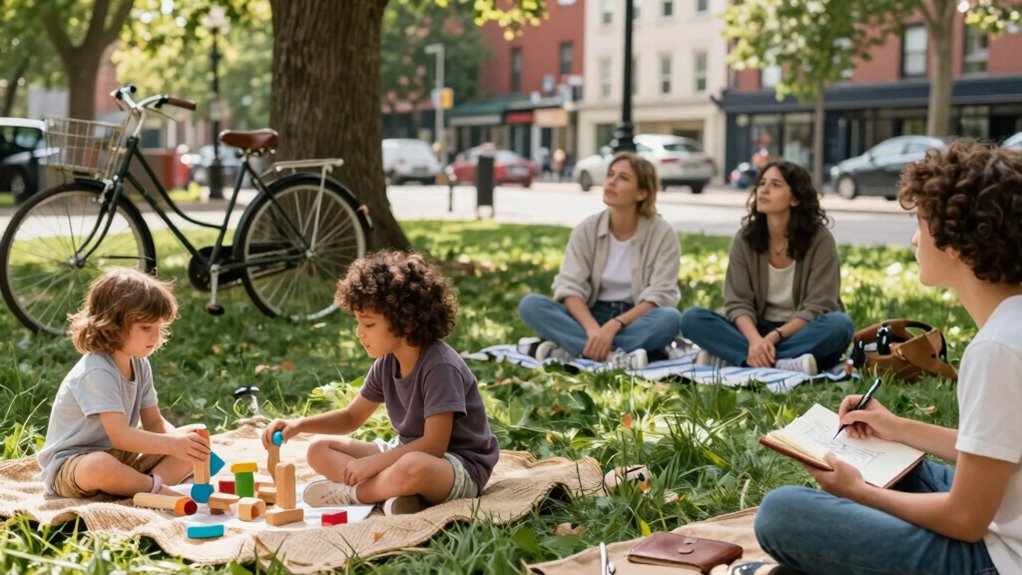

In 2026, you’re reclaiming boredom because it signals the need for mental space and self-awareness. Instead of seeing it as idle, you use boredom as a cue to pause, reflect, and explore creative hobbies. By embracing stillness and silence, you foster inner peace and personal growth. Developing mindfulness turns boredom into clarity and insight, helping you reconnect with yourself. If you stay curious, you’ll discover how embracing boredom can transform your well-being and spark new perspectives.

Get furniture and decor delivered free with Prime
- Fast, free delivery on millions of items
- Prime Video, Amazon Music and more included
- Member-only deals all year
Key Takeaways
- People are embracing boredom as a vital signal for self-reflection and mental reset amid constant digital stimulation.
- Mindfulness practices are used to transform boredom into clarity, fostering deeper self-awareness.
- Rediscovering creative hobbies helps shift focus from instant gratification to meaningful, resilient engagement.
- A cultural shift values stillness and silence as opportunities for insight, growth, and emotional well-being.
- Boredom is seen as a gateway to inner peace, inspiring authentic connection and mental clarity.

In 2026, boredom is no longer seen as an idle nuisance but rather as a vital signal that invites you to pause and reflect. Instead of rushing to fill every quiet moment with distractions, you’re learning to listen to what boredom is telling you. It’s a reminder that your mind needs space, a chance to reset and reconnect with your inner thoughts. This shift comes from a growing recognition that constant stimulation can dull your creativity and emotional well-being. By embracing boredom, you open the door to self-awareness and personal growth.
Boredom signals the need for reflection, fostering self-awareness and growth in a world of constant distraction.
You start practicing mindfulness practices more intentionally, using boredom as a tool rather than an obstacle. When you feel that restless urge to scroll or binge-watch, you pause and breathe, grounding yourself in the present moment. This mindfulness helps you observe your sensations and thoughts without judgment, turning boredom into an opportunity for clarity. It’s about developing a state of awareness where you can sit with silence and allow your mind to wander freely. Over time, this practice cultivates patience and a deeper understanding of your needs and desires. Recognizing the importance of mental space allows you to appreciate the value of silence and reflection in fostering mental clarity.
At the same time, you’re rediscovering the value of creative hobbies. Instead of seeking instant gratification from digital entertainment, you’re motivated to engage in activities that require your full attention and imagination. Whether it’s sketching, writing, gardening, or playing an instrument, these creative pursuits help you channel your energy into meaningful expression. As boredom strikes, you see it as a prompt to pick up a hobby you’ve neglected or to explore new ones. These activities not only fill your time but also stimulate your brain in ways that foster innovation and emotional resilience.
This cultural shift toward reclaiming boredom isn’t just about avoiding boredom’s negative connotations; it’s about harnessing its potential. You recognize that periods of stillness and quietness can spark insights, inspire new ideas, and deepen your connection with yourself. Additionally, understanding the importance of contrast ratio in visual experiences helps you appreciate how a well-balanced environment can enhance your mental clarity. Instead of feeling guilty or restless, you welcome those moments of emptiness as fertile ground for growth. The more you practice mindfulness and indulge in creative hobbies, the more you realize that boredom isn’t a problem to be solved but an invitation to explore your inner world. In 2026, you see boredom as a gateway to authenticity, creativity, and inner peace.
Products Worth Considering

Philips Hue Bridge Pro Smart Lighting Hub

Samsung 42-Inch Class OLED S90F 4K Smart TV (2025)

Dreame L40 Ultra Gen 2 Robot Vacuum and Mop
As an affiliate, we earn on qualifying purchases.
Frequently Asked Questions
How Does Boredom Benefit Mental Health in 2026?
Boredom benefits your mental health by encouraging mindfulness practices, helping you stay present and aware. When you embrace boredom, you give your mind a chance to reset and process emotions, boosting emotional resilience. This pause allows you to reflect, reduce stress, and foster creativity. By intentionally experiencing boredom, you strengthen your mental well-being, making you more adaptable and better equipped to handle life’s challenges in 2026 and beyond.
What Technologies Are Involved in Rediscovering Boredom?
Think of technology as a garden maze—complex, tempting, yet sometimes overwhelming. To rediscover boredom, you engage in a digital detox, turning off screens and disconnecting from notifications. Virtual solitude apps help you embrace quiet moments, encouraging genuine reflection. These tools allow you to step away from constant stimulation, fostering a space where boredom becomes a valuable, creative pause, rather than a problem to escape.
Are There Cultural Differences in Reclaiming Boredom Worldwide?
Cultural perceptions greatly influence how you view boredom worldwide, with some societies seeing it as a sign of laziness and others as a chance for creativity. Boredom stigmatization varies, affecting how openly you admit to feeling bored and seek relief. In cultures that embrace downtime, you’re more likely to reclaim boredom as a valuable space for reflection, while others might push you to constantly stay busy, avoiding boredom altogether.
How Do Schools Incorporate Boredom Into Learning?
You might be surprised to learn that schools intentionally incorporate boredom into learning through mindful lessons and creative downtime. By giving students moments of quiet reflection or unstructured activities, they encourage curiosity and self-discovery. This deliberate approach fosters resilience and innovation, making boredom a tool rather than an obstacle. It’s a bold move, transforming how students engage with education and revealing their innate potential in ways you wouldn’t expect.
What Historical Trends Led to Boredom’s Resurgence?
Historical trends like the rise of industrialization and digital technology shifted society’s focus from leisurely activities to productivity, reducing free time. As societal distractions grew with social media and constant connectivity, boredom faded into obscurity. Now, people reclaim boredom as a way to reconnect with historical leisure practices, seek mindfulness, and counteract overstimulation. This resurgence reflects a desire to balance modern life with the simple, often overlooked, joys of doing nothing.
Conclusion
As you embrace boredom in 2026, it’s no coincidence that you start noticing life’s subtle surprises—like a stranger’s smile or a hidden detail in your routine. When you slow down and reclaim those quiet moments, you find unexpected joy and creativity blooming. Boredom isn’t a gap to fill but a space to discover life’s little coincidences that, surprisingly, make everything feel more meaningful. Sometimes, the simplest pauses reveal the most extraordinary moments.