
The EU banning fluorescent bulbs means you’ll need to switch to more eco-friendly lighting options like LEDs, which use less energy and last longer. This change aims to reduce hazardous waste and environmental harm from mercury. While fluorescents are phased out, there are smarter, safer alternatives now available. To understand how to shift your home quickly and responsibly, explore what options fit your lifestyle and budget. Keep going for helpful tips and guidance.
Key Takeaways
- The EU ban eliminates fluorescent bulbs due to mercury content, encouraging homeowners to switch to safer, energy-efficient LED lighting.
- Homeowners should plan to replace fluorescents with LEDs or other approved lighting options to comply with new regulations.
- Proper disposal of existing fluorescent bulbs is essential to prevent mercury contamination; use designated recycling programs.
- Upgrading to LEDs offers cost savings, longer lifespan, and environmental benefits, aligning with the EU’s sustainability goals.
- The lighting shake-up promotes safer, eco-friendly, and smarter home lighting choices, reducing hazardous waste and energy consumption.
Understanding the EU’s Decision to Ban Fluorescent Bulbs

The European Union decided to ban fluorescent bulbs as part of its efforts to promote energy efficiency and reduce environmental impact. This decision stems from strict mercury regulation, which aims to limit hazardous substances in household products. Fluorescent bulbs contain small amounts of mercury, a toxic element that poses environmental risks when disposed of improperly. By banning these bulbs, the EU encourages the adoption of safer, more energy-efficient lighting alternatives, such as LEDs. The move aligns with broader regulations to improve energy efficiency across member states and decrease greenhouse gas emissions. Your goal is to progress to eco-friendly lighting options that meet these standards. This ban reflects a commitment to protecting the environment while maintaining the energy-saving benefits that efficient lighting provides. Self Watering Plant Pots can be an eco-friendly option for indoor gardening, complementing the EU’s sustainability goals.
Why Fluorescent Lighting Has Been a Popular Choice
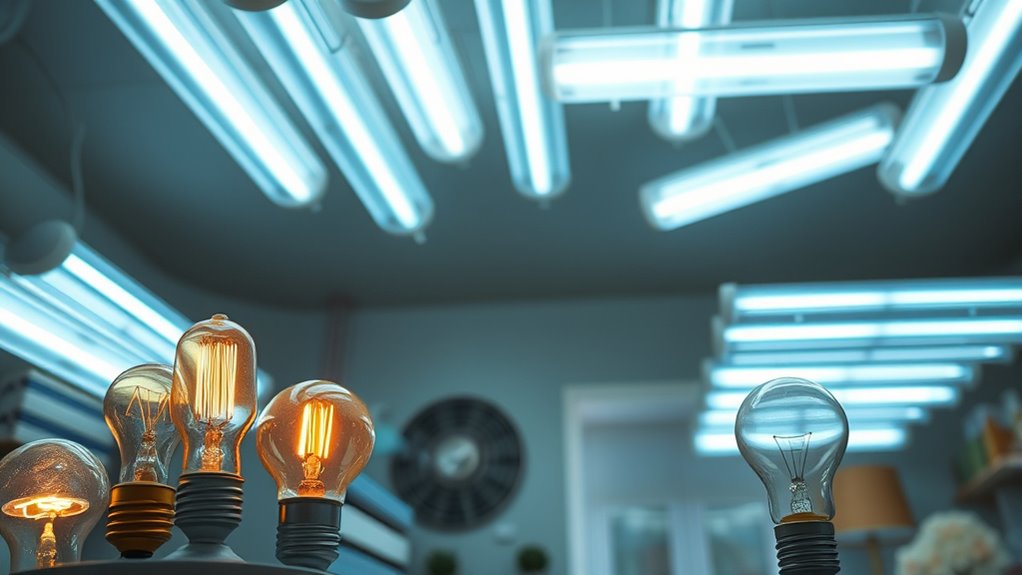
Fluorescent lighting gained popularity because it offers an efficient and affordable way to illuminate large spaces. Its energy efficiency means you get bright light without high electricity bills, making it a cost-effective option. Additionally, fluorescent bulbs are known for their lighting durability, lasting longer than many incandescent bulbs, which reduces replacement frequency. This combination of energy efficiency and durability made them a popular choice for homes, offices, and commercial spaces. You could rely on fluorescent lights to provide consistent illumination while saving money over time. Their ability to cover large areas with minimal energy consumption made them a practical solution for many lighting needs. Despite their popularity, these advantages are now being reconsidered as newer, more sustainable options emerge. Furthermore, color accuracy and environmental concerns are prompting consumers to explore alternative lighting solutions.
What Alternatives Will Replace Fluorescent Bulbs?
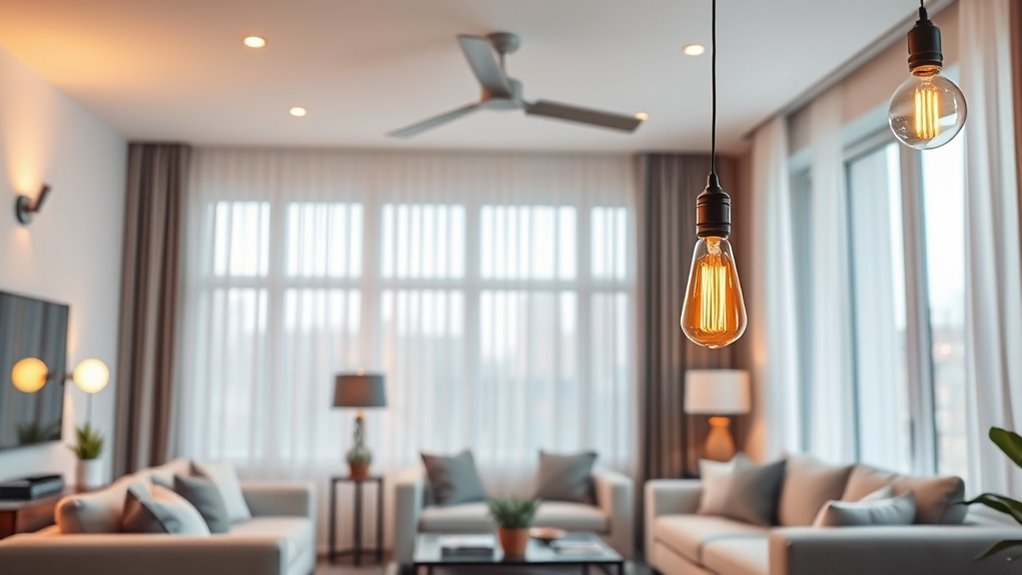
As fluorescent bulbs are phased out, you’ll see new options like advanced LED bulbs that offer better efficiency and longer life. You might also consider the possibility of incandescent bulbs making a comeback or exploring halogen and smart lighting systems. These alternatives aim to meet your lighting needs while being more environmentally friendly.
LED Bulb Advancements
Advancements in LED technology now make these bulbs a compelling alternative to traditional fluorescent options. Modern LEDs feature improved dimming technology, allowing you to easily adjust brightness levels without flickering or losing color quality. Additionally, they offer a wide range of color temperatures, so you can choose warm tones for cozy spaces or cooler tones for work environments. These improvements mean LEDs can mimic natural light more closely, enhancing your home’s ambiance and functionality. LED bulbs also boast greater energy efficiency and longer lifespans, reducing your replacement costs and environmental impact. With such advancements, LED lighting becomes a versatile, reliable replacement that meets your lighting needs while helping you stay compliant with upcoming regulations.
Incandescent Resurgence Possibilities
A potential resurgence of incandescent bulbs is gaining attention as an alternative to fluorescent lighting. This incandescent revival appeals to homeowners seeking warm, familiar light, especially through vintage lighting styles. While many see LEDs as the future, some are exploring traditional incandescent options for their color rendering and ambiance. Advances in filament technology could make incandescent bulbs more efficient and longer-lasting, making them a viable choice again. This trend caters to those who value classic aesthetics and the cozy glow of vintage lighting. Although they may not match the energy efficiency of LEDs, the renewed interest in incandescent bulbs offers a nostalgic and stylish option. Additionally, understanding legislative changes related to lighting standards can help homeowners make informed decisions. If you’re considering a lighting upgrade, the incandescent resurgence might be worth exploring for your home’s unique charm.
Halogen and Smart Lighting
With fluorescent bulbs being phased out in many regions, halogen and smart lighting are emerging as practical alternatives. Halogen bulbs offer decent brightness and color rendering, while being more efficient than traditional incandescent bulbs. Smart lighting takes it further, allowing you to control brightness, color, and schedules via apps or voice commands. This flexibility makes smart lighting ideal for energy savings and convenience. Although halogen efficiency isn’t as high as LEDs, it’s a step up from fluorescents in some cases. Here’s a quick comparison:
| Lighting Type | Efficiency | Key Feature | Control Options | Typical Use |
|---|---|---|---|---|
| Halogen | Moderate | Good color rendering | Manual or dimmer | Accent and task lighting |
| Smart Lighting | High (LED-based) | Customizable settings | App, voice, automation | Whole-home lighting control |
| Fluorescent | Moderate | Energy-efficient, long-lasting | Limited | Office, garage |
How to Transition Your Home Lighting Safely and Efficiently

To shift your home lighting safely and efficiently, start by choosing safe bulb types like LEDs. Make sure to dispose of your old fluorescent bulbs properly to protect the environment. Upgrading to LEDs not only improves energy efficiency but also offers a safer, long-lasting lighting option.
Choose Safe Bulb Types
As you shift to safer lighting options, choosing the right bulb type is essential for both your home’s safety and energy efficiency. Look for bulbs labeled as energy-efficient, such as LED options, which offer excellent lighting safety with minimal heat and no toxic chemicals. LEDs also provide greater bulb longevity, so you won’t need to replace them as often, saving you time and money. Avoid traditional fluorescents and incandescent bulbs, which can pose health risks or waste energy. When selecting bulbs, check for certifications like ENERGY STAR to ensure quality and safety. Moving to these safer, long-lasting bulbs not only enhances lighting safety but also makes your home more environmentally friendly and cost-effective over time.
Proper Disposal Methods
Switching to safer, energy-efficient bulbs like LEDs requires proper disposal of old fluorescent and incandescent lights. Fluorescent bulbs contain hazardous waste, including mercury, which can harm the environment if not handled correctly. To dispose of them safely, take advantage of local recycling programs that specialize in hazardous waste. Many communities offer designated drop-off sites or special collection events for these bulbs. Never throw fluorescent lights in regular trash, as this risks releasing toxic materials. Incandescent bulbs are less hazardous but still should be recycled if possible. Before disposal, verify the bulbs are intact and packaged carefully to prevent breakage. Proper disposal helps protect the environment and complies with regulations, making your home lighting changeover safer and more responsible. Additionally, consider using recyclable materials when upgrading your lighting to reduce waste and environmental impact.
Upgrade to LEDs
Upgrading your home lighting to LEDs offers a simple way to save energy and reduce environmental impact. To facilitate a smooth shift, choose LEDs with high color rendering scores for vibrant, true-to-life colors. Incorporate smart controls like dimmers or app-based systems to customize lighting and enhance efficiency. When replacing fixtures, verify compatibility with existing wiring to avoid safety issues. Consider the color temperature—warm tones create cozy atmospheres, while cool tones boost alertness. Here’s a quick guide:
| Aspect | Tips | Benefits |
|---|---|---|
| Smart Controls | Use apps or dimmers for flexibility | Save energy, set schedules |
| Color Rendering | Opt for CRI over 80 for vibrant light | Better visual clarity |
| Compatibility | Check fixture compatibility | Safe, easy installation |
Moving to LEDs helps you upgrade safely and enjoy customizable, efficient lighting. Incorporating lighting standards ensures your upgrades meet safety and performance criteria.
The Environmental Impact of Moving Away From Fluorescents

Moving away from fluorescent lighting can substantially reduce environmental harm, as these bulbs contain mercury, a toxic element that poses risks during manufacturing, use, and disposal. By switching to more eco-friendly options like LEDs, you support energy conservation, since LEDs use less power and last longer. This change also promotes pollution reduction, as fewer hazardous materials end up in landfills or waterways. Fluorescent bulbs’ mercury emissions during disposal can contaminate soil and water, impacting ecosystems and health. Eliminating or reducing their use helps protect the environment from these dangers. Additionally, adopting Suprem fabric in home textiles can further enhance sustainability efforts, as it offers eco-friendly production processes and durability. Overall, moving away from fluorescents minimizes toxic waste, conserves resources, and contributes to a cleaner, healthier planet for future generations.
Tips for Choosing Eco-Friendly and Cost-Effective Lighting Options

When selecting lighting options, prioritize those that are both eco-friendly and budget-conscious to maximize benefits and savings. Look for LED bulbs, which excel in energy conservation and last longer, reducing replacement costs. They use considerably less energy than traditional incandescent or fluorescent bulbs, leading to immediate cost savings on your utility bills. Consider dimmable and smart lighting systems that allow you to control brightness and schedules, further enhancing energy efficiency. Opt for fixtures made from sustainable materials or designed for ideal light distribution, minimizing waste. Additionally, choosing energy-efficient lighting can significantly reduce your household carbon footprint while also lowering your electricity bills. By choosing eco-friendly lighting, you support environmental health while reducing your household expenses. Making informed decisions now ensures you enjoy long-term savings and a smaller carbon footprint, aligning your home with a greener future.
Frequently Asked Questions
Will Incandescent Bulbs Be Banned Alongside Fluorescents?
You might wonder if incandescent bulbs will face restrictions alongside fluorescents. Currently, many regions are phasing out incandescent bulbs through bulb phase-out policies aimed at energy efficiency. While some places have already banned or restricted incandescent lighting, others are gradually implementing incandescent restrictions. It’s a shift driven by environmental concerns, so expect fewer incandescent options and more energy-efficient alternatives as part of the overall lighting shake-up.
How Will the Ban Affect Affordable Lighting Options?
You’ll find that the ban encourages more energy-efficient lighting options, which means better energy efficiency and cost savings over time. Although some affordable incandescent and fluorescent bulbs might be phased out, you’ll still have access to LED lights that are affordable and long-lasting. This change pushes you toward smarter choices that save money on electricity bills while reducing your environmental impact, ensuring your home remains well-lit and cost-effective.
Are LED Lights the Best Eco-Friendly Alternative?
You’re wondering if LED lights are the best eco-friendly alternative. They’re highly efficient, using less energy and lasting longer, which makes them a smart choice for eco-conscious consumers. By switching to LEDs, you reduce your carbon footprint and save money on energy bills. They’re a sustainable option that aligns with your goal to make more environmentally friendly choices, ensuring your home stays bright without harming the planet.
What Is the Timeline for Full Implementation Across Europe?
You’re wondering about the timeline for the lighting industry’s full implementation across Europe. The EU plans to phase out traditional fluorescent bulbs by 2025, encouraging consumer adaptation to LED technology. This progression aims to promote eco-friendly options and reduce energy consumption. As a homeowner, you’ll see gradual changes, giving you time to adapt. Overall, the shift is designed to be smooth, supporting both the environment and your lighting needs.
How Might This Ban Influence Global Lighting Regulations?
This ban could revolutionize global lighting standards faster than you imagine. It’ll push manufacturers worldwide to prioritize eco-friendly options, impacting international compliance and speeding up market adaptation. As Europe leads the charge, other countries may follow, setting new benchmarks for energy efficiency and safety. Your choices and regulations could soon align with this shift, making sustainable lighting a universal norm and transforming how everyone lights their homes and workplaces.
Conclusion
As the EU bans fluorescent bulbs, you’re looking at a brighter, greener future. Did you know that switching to energy-efficient LEDs can save you up to 75% on lighting costs? By choosing eco-friendly options, you not only reduce your carbon footprint but also enjoy longer-lasting light. Embrace these changes now to make your home more sustainable and cost-effective—your wallet and the planet will thank you.