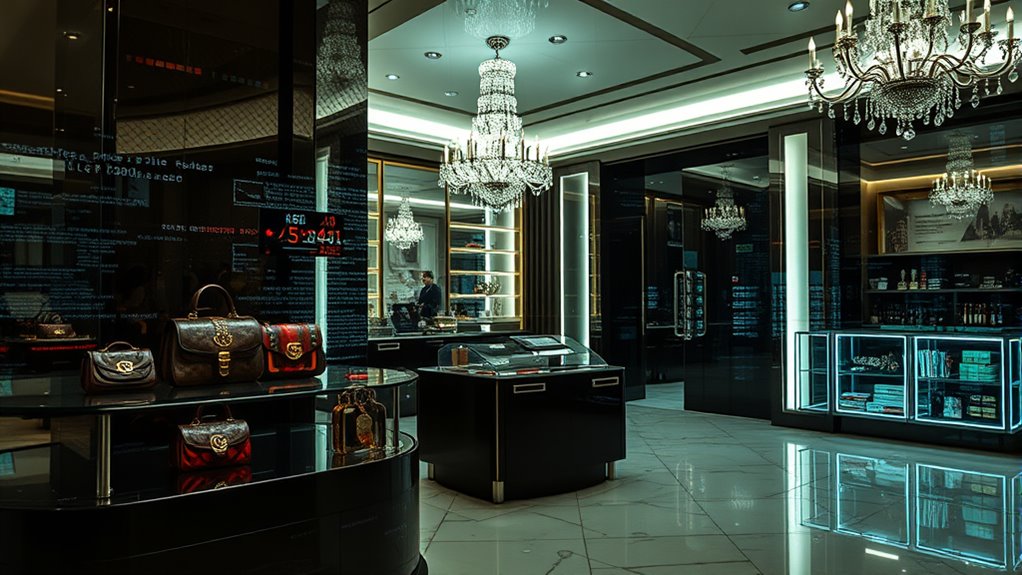

Recent data breaches at luxury brands like Gucci, Cartier, and Louis Vuitton have exposed your personal and purchase details to cybercriminal groups. This information, including your spending habits and contact info, can be sold or used for targeted scams, phishing, and social engineering attacks. High-net-worth individuals face increased risks of fraud and deception. If you want to understand how these breaches could impact your security and what steps to take, there’s more to uncover.

Get furniture and decor delivered free — and shop member deals
- Fast, free delivery on millions of items
- Access to Prime Big Deal Days deals on October 6–7
- Prime Video, Amazon Music and more included

In 2025, luxury brands like Gucci, Cartier, and Louis Vuitton faced high-profile data breaches that exposed millions of customers’ personal and purchase information. As someone who shops at these prestigious brands, you need to understand the gravity of what’s happened. Cybercriminal groups such as “Shiny Hunters” have targeted these brands, stealing vast amounts of customer data, including your name, email, phone number, and address. While brands have assured the public that credit card details and passwords generally haven’t been compromised, the exposure of your contact and purchase information still puts you at significant risk. Your detailed spending history, which reveals how much you’ve spent on luxury goods—sometimes as high as $86,000—has been compromised and is now in the hands of malicious actors. This information goes beyond simple identity theft; it offers a window into your wealth, purchasing behavior, and lifestyle. Cybercriminal groups often sell stolen data on dark web marketplaces if ransom demands aren’t met, increasing the likelihood that your data could be exploited.
The exposure of your spending data elevates the threat from mere account hacking to targeted scams. Cybercriminals now have the details they need to craft convincing phishing emails or social engineering schemes that appear tailored specifically to you. They can use your purchase history and expenditure levels to manipulate you into revealing more sensitive information or even siphon funds through sophisticated fraud attempts. For high-net-worth individuals, this creates a dangerous environment where scammers exploit personal financial profiles to design scams that are hard to detect. The fact that your spending records are exposed means attackers can better understand your habits, making their attempts more convincing and potentially more damaging.
This breach also impacts the brands themselves. Luxury companies are now under increased scrutiny, with their reputation taking a hit as they are publicly associated with serious data security lapses. Some brands, like Victoria’s Secret, have had to temporarily shut down websites, and others like Kering have chosen to handle disclosures discreetly, informing affected customers privately rather than issuing broad public statements. These incidents often lead to increased regulatory scrutiny, forcing brands to upgrade their cybersecurity defenses and compliance measures. The financial toll isn’t just in cybersecurity investments but also in possible legal liabilities and the erosion of customer trust. Many customers may think twice before sharing sensitive information again, fearing their data might be mishandled or exposed.
The breaches typically occur through unauthorized access to internal databases, often via vulnerabilities in IT systems or third-party service providers. Cybercriminal groups such as “Shiny Hunters” often sell stolen data on dark web marketplaces if ransom demands aren’t met. While ransomware wasn’t always involved, the breaches highlight how vulnerabilities in cybersecurity infrastructure can be exploited to gain access. As a customer, you should be aware that your personal and purchasing data is now a valuable commodity in the cybercrime world, and your best defense is vigilance and cautiousness. Protecting your information requires understanding the new risks and staying alert for targeted scams that could arise from these breaches.
Frequently Asked Questions
How Can Customers Protect Their Personal Data After a Breach?
You should immediately change your passwords and enable two-factor authentication on your accounts. Regularly monitor your financial statements for suspicious activity and report any irregularities to your bank. Consider enrolling in credit monitoring and identity theft protection services for added security. Be cautious of phishing emails and verify website authenticity before sharing personal information. Limit what you share online, stay informed through official brand communications, and report any suspicious activity promptly to safeguard your data.
What Compensation Is Offered to Affected Luxury Brand Customers?
You won’t find a safety net like a financial parachute after this breach. Instead, the brands focus on prevention and awareness, not direct compensation. They haven’t publicly offered free credit or identity monitoring, so you’re encouraged to stay vigilant. Monitor your accounts closely and report suspicious activity. While no monetary payouts are announced, expect ongoing efforts to bolster security and protect your personal information from future threats.
Are Luxury Brands Taking New Security Measures Post-Incident?
Yes, luxury brands are taking new security measures after incidents. You’ll see them engaging external cybersecurity experts to strengthen defenses, implementing faster containment protocols, and adopting advanced monitoring tools. They’re also tightening access controls, enforcing stricter vendor assessments, and adopting zero-trust principles. Additionally, they’re improving customer communication, offering protection services, and collaborating with law enforcement. These steps aim to prevent future breaches and better safeguard your sensitive data.
How Was Customer Data Initially Compromised in These Cases?
Imagine your personal details falling through unseen cracks— that’s how your data was initially compromised. Hackers exploited vulnerabilities in Kering’s internal systems, specifically targeting Salesforce CRM with social engineering scams. They tricked employees into revealing credentials, gaining unauthorized access during a brief window in June 2025. Once inside, they siphoned off personal info, purchase histories, and contact details, turning your private data into a tool for scams and further breaches.
Will Affected Customers Face Increased Fraud or Identity Theft Risks?
Yes, you’re at a higher risk of fraud and identity theft now. Hackers can use your leaked personal info to craft convincing scams like spear phishing or fake luxury brand messages. With details about your spending and high-value profile, they might target you with tailored scams or attempt to steal your identity for financial gain. Stay vigilant, monitor your accounts, and consider placing fraud alerts or credit freezes to protect yourself.
Conclusion
Your trust is the fragile glass slipping through your fingers, shattered by unseen vulnerabilities. As luxury brands like Gucci face this storm, you realize that even the most polished veneer can’t hide the cracks beneath. Protecting your data isn’t just a shield; it’s a fortress built brick by brick with vigilance and care. Stay alert, for in this digital age, safeguarding your details is the only armor strong enough to keep your world from crumbling.
Fall Picks
fall essentials
As an affiliate, we earn on qualifying purchases.