
TL;DR

Get furniture and decor delivered free with Prime
- Fast, free delivery on millions of items
- Prime Video, Amazon Music and more included
- Member-only deals all year
A House Beautiful report traces the practical purposes behind 12 features found in historic homes, including servant bell boards, dumbwaiters, carriage houses and boot scrapers. The examples show how household technology and architecture reflected the transport, ventilation and staffing needs of their time.
House Beautiful has published a guide to 12 features in older homes that can seem unusual today but once served practical purposes, from calling household staff to moving food between floors. The examples show how domestic architecture reflected the technology, transportation and social arrangements of the 19th and early 20th centuries.
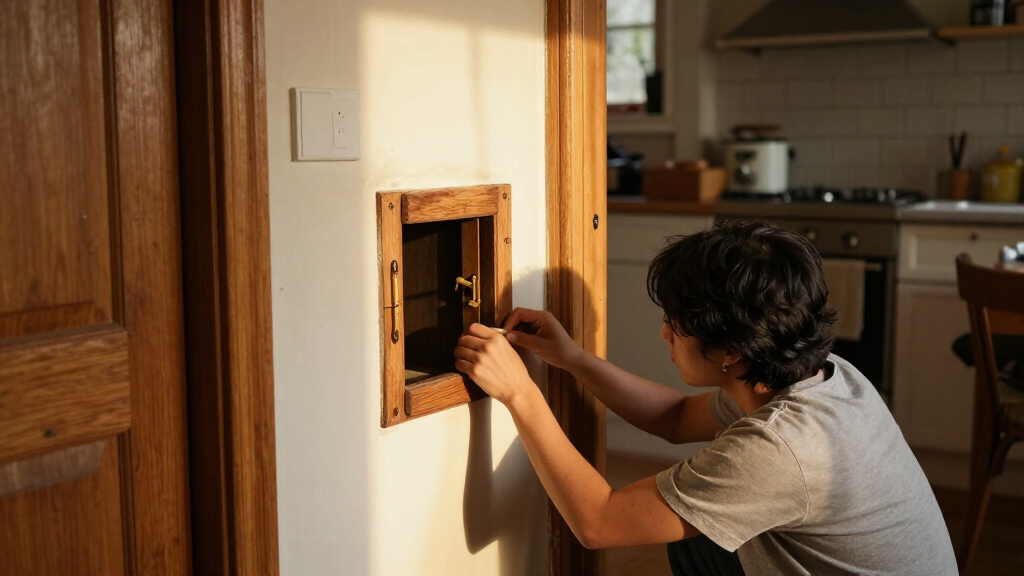
Butler bell boards used labeled bells to tell household staff which room needed attention. The bells were often connected to pulleys in the walls; in some systems, individual bells produced different tones. Dumbwaiters served a different need: these small lifts carried food and drink between floors, reducing the need for staff to carry trays up and down stairs.
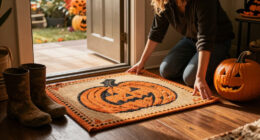
Carriage houses provided storage for horse-drawn vehicles before cars became widespread. They often stood beside larger homes and had wide, arched doorways. Boot scrapers, meanwhile, were fitted by entrances so people could remove dirt and manure from footwear before coming inside.
The report also describes separate staff staircases, typically steep and narrow, alongside more prominent stairs designed to impress guests. It discusses transom and tuberculosis windows as features associated with light and ventilation. Its source excerpt ends during that explanation, however, and does not supply the full descriptions of all 12 items.
How Old Homes Met Daily Needs
The examples connect architectural details to everyday routines. Bell boards and service stairs reflected homes staffed by household workers, while dumbwaiters addressed the distance between kitchens and dining rooms. Carriage houses and boot scrapers responded to the practical demands of horse-drawn transport.
Understanding those original uses can help homeowners and visitors interpret features that might otherwise look decorative or obsolete. The report also notes that some devices, including dumbwaiters, can be costly to maintain and potentially dangerous, so historical interest does not by itself establish that a feature is safe or useful to operate today.
Products Worth Considering

Blueair Blue Pure 511i Max Air Purifier for Home and Bedroom

Dyson V8 Cordless Vacuum

Ring Floodlight Cam Wired Plus, 1080p HD Outdoor Security Camera with Motion-Activated Floodlights, 4-Pack, White
As an affiliate, we earn on qualifying purchases.
From Carriages to Household Staff
The guide places many of the features in the 19th and early 20th centuries, when large homes could have separate kitchens, service areas and staff routes. The arrangement helped keep domestic work out of view during entertaining, while grand staircases created a prominent entrance for guests.
Horse-drawn carriages were a common form of short-distance transport before the automobile industry expanded. Carriage houses therefore filled a role later served by garages. As transport and household routines changed, some features fell out of use or were repurposed; the report notes that carriage houses in many cities have become residences.
What the Source Excerpt Leaves Open
The supplied source material does not include the full list or descriptions of all 12 features; it cuts off during the section on transom and tuberculosis windows. The complete set of examples, and the specific purposes the article assigns to the remaining features, cannot be confirmed from the excerpt provided.
The source also gives no publication date. Its broad historical descriptions do not establish when every feature became common or how widely each was used across regions and types of homes.
Further Details Depend on the Full Guide
The next step for readers seeking the complete list is to consult House Beautiful’s full report. The excerpt does not identify further reporting, a follow-up publication or a scheduled milestone, so no additional development is established here.
Key Questions
What did a butler bell board do?
It alerted household staff to calls from different rooms. Bells were labeled by room or, in some systems, distinguished by their tones.
Why did older homes have dumbwaiters?
Dumbwaiters carried food and drink between floors, saving staff from carrying trays on stairs and helping reduce spills during delivery.
What was a carriage house used for?
It stored horse-drawn carriages, often in a separate building beside a larger home. Some carriage houses have since been converted into residences.
Why were there separate staircases in some homes?
Staff stairs provided a discreet route between service areas, while grand staircases were designed for prominent use by householders and guests.
Does the supplied report explain all 12 features?
No. The excerpt ends partway through its discussion of windows, so the full set of features and explanations is not available in the material provided.
Source: rss