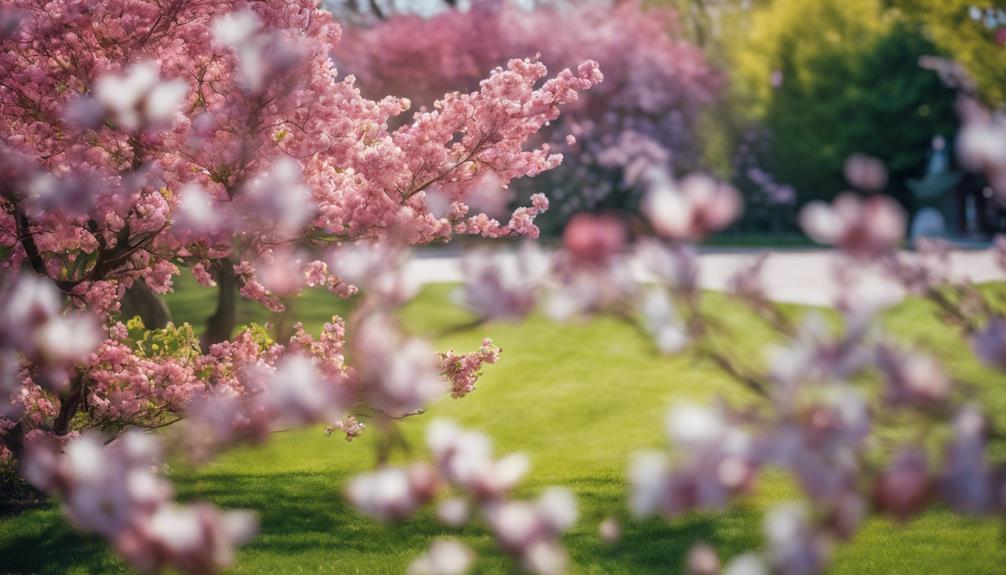
If you’re looking to add vibrant blooms and compact charm to your garden, small flowering trees make an excellent choice. The Pink Japanese Weeping Cherry ‘Higan’ stands out as the best overall for its stunning cascading pink flowers and manageable size. For those seeking fast blooms, the Pink Dogwood Tree offers striking pink blossoms in a small package, while the Jane Magnolia provides a fragrant, elegant presence. The main tradeoffs include balancing size, flowering duration, and maintenance needs. Continue reading for a detailed breakdown that helps you pick the perfect small flowering tree for your space.

Get furniture and decor delivered free with Prime
- Fast, free delivery on millions of items
- Prime Video, Amazon Music and more included
- Member-only deals all year
Complete the kit


Key Takeaways
- The top-ranked options excel in bloom quality and manageable size, making them ideal for small gardens or patios.
- Many small flowering trees have tradeoffs between bloom duration and overall growth rate, so consider your climate and maintenance capacity.
- Dwarf varieties like the Weeping Cherry Blossom are perfect for container planting, but may require more frequent care.
- Affordable options often have shorter bloom periods but still provide vibrant seasonal color, while premium picks offer longer-lasting flowers.
- Choosing the right tree depends on your priorities: size constraints, aesthetic preferences, or ease of care.
| Pink Japanese Weeping Cherry Tree ‘Higan’ – Live Plant, 3-4 Feet Tall |  | Best Overall Small Flowering Tree for Versatile Landscaping | Size: 3 to 4 feet tall | USDA Hardiness Zone: 4-8 | Sunlight Exposure: Full Sun to Part Sun | VIEW ON AMAZON | See Our Full Breakdown |
| Pink Dogwood Tree Live Plant, 10-16 Inch Tall in Quart Pot, Pink Flowering Ornamental Tree |  | Best for Early Spring Color and Multi-Season Interest | Height: 10-16 inches | Pot Size: Quart | Flower Color: Pink | VIEW ON AMAZON | See Our Full Breakdown |
| Perfect Plants Jane Magnolia Tree, 1 Gallon, Live Plant |  | Best for Fragrant Blooms and Privacy Screens | Mature Height: 10-15 feet | Mature Width: 8-10 feet | Soil Preference: Moist, well-draining | VIEW ON AMAZON | See Our Full Breakdown |
| Yellow Jane Magnolia Live Plant – 18” Tall Flowering Shrub Tree |  | Best for Bright, Fragrant Yellow Blooms in Small Spaces | Height: 18 inches | Plant Type: Live plant / Shrub tree | Flower Color: Yellow | VIEW ON AMAZON | See Our Full Breakdown |
| Weeping Cherry Blossom Tree, 4-10 Inch Tall in 2.5 Pot, Live Plant, Dwarf Cherry Flower |  | Best for Small Gardens and Container Planting | Height: 4-10 inches | Hardiness Zones: 5-8 | Expected Mature Size: Up to 8 feet | VIEW ON AMAZON | See Our Full Breakdown |
| 2 Weeping Cherry Tree Plants, 6-12 Inches Tall, Hardy Ornamental Flowering Trees for Garden & Landscape |  | Best for Small Gardens and Container Planting | Expected Blooming Period: Spring to Summer | Sunlight Exposure: Full Sun | USDA Hardiness Zone: 5-8 | VIEW ON AMAZON | See Our Full Breakdown |
| small flowering tree | Sunlight Exposure | Height |
|---|---|---|
| Pink Japanese Weeping Cherry T | Full Sun to Part Sun | — |
| Pink Dogwood Tree Live Plant | — | 10-16 inches |
| Perfect Plants Jane Magnolia T | — | — |
| Yellow Jane Magnolia Live Plan | — | 18 inches |
| Weeping Cherry Blossom Tree | Full Sun | 4-10 inches |
| 2 Weeping Cherry Tree Plants | Full Sun | — |
More Details on Our Top Picks
Pink Japanese Weeping Cherry Tree ‘Higan’ – Live Plant, 3-4 Feet Tall
This Pink Japanese Weeping Cherry ‘Higan’ stands out for its striking spring blossoms and adaptability across USDA zones 4-8, making it a versatile choice for many gardens. Unlike the Weeping Cherry Blossom (Product 5), which offers a more delicate, dwarf form primarily suited for container planting, the ‘Higan’ provides a taller, more traditional tree profile that can serve as a focal point. Its shipping size of 3-4 feet allows immediate planting, but the deciduous nature means it will be leafless in winter, a tradeoff for the vibrant spring display. It’s best for gardeners seeking a classic flowering cherry with reliable blooms and a manageable size for various landscape styles. It requires full to part sun and regular watering, which is similar to the care needed for the Pink Dogwood (Product 2).
Pros:- Ready to plant upon arrival with clear instructions
- Suitable for zones 4-8, adaptable to various climates
- Produces stunning spring blooms that attract pollinators
Cons:- Deciduous, so it will have no leaves in winter
- Requires full to part sun for best growth
- Size shipped may vary slightly from mature height
Best for: Gardeners wanting a reliable, adaptable flowering tree for multiple seasons with a focus on spring color and pollinator attraction.
Not ideal for: Those preferring evergreen trees or minimal seasonal change, since this tree is deciduous and seasonal in its display.
- Size:3 to 4 feet tall
- USDA Hardiness Zone:4-8
- Sunlight Exposure:Full Sun to Part Sun
- Expected Blooming Period:Spring
- Soil Type:Loam
- Soil Moisture Needs:Regular Watering
Our verdict“This tree is ideal for gardeners seeking a classic, adaptable flowering cherry with vibrant spring display and moderate maintenance.”
Pink Dogwood Tree Live Plant, 10-16 Inch Tall in Quart Pot, Pink Flowering Ornamental Tree
The Pink Dogwood Tree offers a charming, low-maintenance addition to gardens with its vibrant pink blooms in early spring and colorful foliage throughout the year. Compared to the Yellow Jane Magnolia (Product 4), which provides bright yellow flowers and a more shrub-like form, the dogwood’s appeal lies in its distinctive pink blossoms and its ability to attract songbirds, adding wildlife value. Its small size of 10-16 inches makes it suitable for containers or small borders, though it will need staking when young to stay upright. This tree is best for those seeking a hardy, multi-season ornamental with a focus on spring bloom and bird attraction. It prefers sunny or partially shaded locations, similar to the Magnolia, but may need support during early growth.
Pros:- Vibrant pink flowers in early spring
- Four-season ornamental interest with berries and foliage
- Cold-hardy and low maintenance
Cons:- May need staking for stability when young
- Requires full or partial sun for best flowering
- Limited size means it may take time to reach full impact
Best for: Homeowners wanting a lively, colorful spring display with added bird-friendly features in a manageable size.
Not ideal for: Those seeking a large, mature tree quickly or a tree that provides year-round evergreen interest.
- Height:10-16 inches
- Pot Size:Quart
- Flower Color:Pink
- Seasonal Interest:Spring flowers, summer berries, autumn foliage
- Hardiness:Cold-hardy
Our verdict“Ideal for gardeners wanting a colorful, wildlife-friendly small tree with multi-season appeal and easy care.”
Perfect Plants Jane Magnolia Tree, 1 Gallon, Live Plant
The Jane Magnolia is a reliable, low-maintenance flowering tree that produces aromatic blooms from March to April, making it a favorite for spring fragrance. Its mature height of 10-15 feet makes it suitable for smaller landscapes or as a privacy hedge, unlike larger magnolia varieties. Compared with the Yellow Jane Magnolia (Product 4), which is a smaller shrub with yellow flowers, the Jane Magnolia offers classic white blossoms and a more substantial tree form. It thrives in full sun and moist, well-draining soil, but cannot ship to California or Arizona, limiting availability for some buyers. Its size can be a drawback for very small gardens, but for those wanting a fragrant, elegant addition, it provides excellent value.
Pros:- Beautiful aromatic blooms in spring
- Low-maintenance and cold-hardy
- Suitable for privacy screens or hedges
Cons:- Cannot ship to CA or AZ
- Requires full sun for best flowering
- Mature size may be large for tiny gardens
Best for: Gardeners looking for a low-maintenance, fragrant flowering tree that doubles as a privacy or border plant.
Not ideal for: Very small gardens or those seeking evergreen trees, as this is deciduous and can grow into a larger form.
- Mature Height:10-15 feet
- Mature Width:8-10 feet
- Soil Preference:Moist, well-draining
- Cold Hardy:Yes
- Shipping Restrictions:Does not ship to CA or AZ
Our verdict“This magnolia is a superb choice for those wanting fragrant, attractive spring blooms with privacy or landscape function.”
Yellow Jane Magnolia Live Plant – 18” Tall Flowering Shrub Tree
The Yellow Jane Magnolia is an eye-catching, fragrant addition, standing at just 18 inches tall, making it perfect for containers, borders, or small gardens. Its cheerful yellow flowers bloom in spring, attracting pollinators and adding a splash of color. Compared to the Pink Dogwood (Product 2), which offers pink blossoms and multi-season interest, the Yellow Magnolia’s standout feature is its vibrant color and fragrant blooms. Its small size means it will take several years to develop into a full-sized tree, which is a consideration for those seeking immediate impact. It is hardy across zones 4-9, easy to grow, and suited for beginners or those with limited space. However, it requires full sun for optimal flowering and may need protection in extremely cold zones.
Pros:- Vibrant fragrant yellow blooms
- Cold hardy and resilient
- Easy to grow and maintain
Cons:- Limited height at 18 inches, requiring years to mature
- Needs full sun for best flowering
- May need protection in extreme cold zones
Best for: Gardeners wanting a manageable, colorful, fragrant flowering shrub for small yards or containers.
Not ideal for: Those expecting instant maturity or large, landscape-defining trees, as this is a small, slow-growing plant.
- Height:18 inches
- Plant Type:Live plant / Shrub tree
- Flower Color:Yellow
- Blooming Season:Spring
- Hardiness Zones:4-9
Our verdict“This bright, fragrant shrub is perfect for adding cheerful color and scent to small spaces with patience for growth.”
Weeping Cherry Blossom Tree, 4-10 Inch Tall in 2.5 Pot, Live Plant, Dwarf Cherry Flower
The Weeping Cherry Blossom Tree offers a petite, elegant profile with its pale pink-white flowers in April, perfect for small gardens or container use. Growing up to 8 feet at full maturity, it provides a more compact alternative to the larger Pink Japanese Weeping Cherry. Its small size—4-10 inches in initial height—means it’s ideal for those wanting a delicate focal point or container display. Compared with the Pink Dogwood (Product 2), which has a broader seasonal appeal, this cherry emphasizes springtime beauty and a weeping form. It requires full sun and moist, well-drained soil, and is hardy in zones 5-8. Its small size and specific soil needs may limit its impact for those seeking larger landscape specimens.
Pros:- Beautiful pale pink-white flowers in spring
- Compact size suitable for small gardens or containers
- Hardy in zones 5-8
Cons:- Small size limits immediate visual impact
- Requires full sun and well-drained moist soil
- Needs protection from waterlogged conditions
Best for: Gardeners with limited space or container gardeners seeking a delicate, flowering focal point in early spring.
Not ideal for: Those wanting a larger, more dominant tree or a species with year-round interest, since this is highly seasonal and small.
- Height:4-10 inches
- Hardiness Zones:5-8
- Expected Mature Size:Up to 8 feet
- Sunlight Exposure:Full Sun
- Soil Type:Sandy Soil
- Moisture Needs:Moderate Watering
Our verdict“Ideal for small garden spaces or containers where delicate spring elegance is desired with a focus on seasonal blooms.”
2 Weeping Cherry Tree Plants, 6-12 Inches Tall, Hardy Ornamental Flowering Trees for Garden & Landscape
This pair of Weeping Cherry Trees stands out for their compact size and early growth potential, making them ideal for smaller gardens or container planting where space is limited. Compared to larger options like the Pink Japanese Weeping Cherry ‘Higan’, these young trees are more manageable and easier to establish, though they won’t reach full maturity or display their full bloom potential immediately. Their spring blossoms add cheerful pink or white color, creating seasonal focal points. However, their small size means they require careful watering and protection in colder climates outside USDA zones 5-8, and they may need time to develop into the full, cascading form seen in mature specimens. This pick makes the most sense for gardeners wanting a low-maintenance, ornamental focal point that can be easily integrated into a small outdoor space or patio setup.
Pros:- Compact size perfect for small gardens and containers
- Beautiful pink and white blossoms in spring
- Easy to care for and adaptable to various landscape uses
- Hardy and tolerant of typical outdoor conditions
Cons:- Requires full sun and well-draining soil for best growth
- Limited growth height initially, may take years to reach full size
- Not suitable for colder climates outside USDA zones 5-8
Best for: Gardeners with limited space seeking a colorful, ornamental tree that can thrive in containers or small yards within USDA zones 5-8
Not ideal for: Those in colder zones outside 5-8 or gardeners looking for mature trees with immediate impact and full canopy
- Expected Blooming Period:Spring to Summer
- Sunlight Exposure:Full Sun
- USDA Hardiness Zone:5-8
- Moisture Needs:Regular Watering
- Color:Pink
- Plant Height:6-12 inches
Our verdict“This option is best suited for gardeners wanting a manageable, ornamental cherry that adds seasonal color without overwhelming small spaces.”

How We Picked
Our evaluation focused on factors that matter most to buyers of small flowering trees: overall size, flowering performance, adaptability to different climates, ease of maintenance, and visual appeal. We compared each option’s growth habits, bloom period, and resilience, aiming to recommend trees that offer consistent beauty without overwhelming small spaces. The ranking reflects a balance of value and performance, favoring trees that are versatile and low-maintenance for most garden settings, while also highlighting premium options for dedicated enthusiasts.
| small flowering tree | Sunlight Exposure |
|---|---|
| Pink Japanese Weeping Cherry T | Full Sun to Part Sun |
| Pink Dogwood Tree Live Plant | — |
| Perfect Plants Jane Magnolia T | — |
| Yellow Jane Magnolia Live Plan | — |
| Weeping Cherry Blossom Tree | Full Sun |
| 2 Weeping Cherry Tree Plants | Full Sun |
Factors to Consider When Choosing Small Flowering Trees
Choosing the right small flowering tree involves more than just picking a pretty bloom. Consider how much space you have, your climate, and how much effort you’re willing to invest in care. Understanding these factors helps prevent common mistakes, like selecting a tree that outgrows your space or isn’t suited to your USDA zone. This guide explores key considerations to help you make an informed decision and select a tree that will thrive and beautify your garden for years.
Size and Growth Habit
Size is the most obvious factor. Even small trees can vary significantly in final height and width. Dwarf varieties are typically ideal for limited spaces, including containers, whereas slightly larger options may suit larger yards. Pay attention to mature dimensions listed by growers and consider your available space to avoid overcrowding or the need for frequent pruning.
Bloom Period and Color
Flowering duration and color are essential for visual impact. Some trees, like the Pink Dogwood, bloom for only a few weeks, while others, such as magnolias, may offer a longer display. Matching bloom time with your aesthetic goals and regional climate can maximize your garden’s seasonal interest. Remember that some trees might bloom early or late depending on your location.
Climate and Hardiness
Not all small flowering trees are suited to every climate zone. Check the USDA hardiness zone compatibility before purchasing. Some varieties, like the Weeping Cherry, are more adaptable, while others may require extra winter protection. Selecting a tree that naturally thrives in your area reduces care and increases the likelihood of successful growth and flowering.
Maintenance and Care Needs
Consider how much pruning, watering, and fertilizing your chosen tree will require. Trees like magnolias tend to be low-maintenance once established, whereas some cherry varieties might need regular pruning to maintain shape and health. Understanding the ongoing effort involved helps ensure the tree remains healthy and beautiful without becoming a burden.
Aesthetic and Functional Fit
Beyond flower color and size, think about the overall look and whether the tree complements your landscape design. Some trees, like the Weeping Cherry, add a graceful, cascading form, while others, such as the Magnolia, provide a more upright elegance. Consider also if you want seasonal blooms, fragrance, or attractive bark for year-round interest.
Frequently Asked Questions
How do I choose a small flowering tree that suits my climate?
Start by checking the USDA hardiness zone for your area and compare it to the tree’s recommended zone. Selecting a tree rated for your zone ensures it can handle local winter temperatures. Additionally, consider your soil type and exposure—some trees prefer full sun, while others tolerate shade. Consulting local nurseries or extension services can provide more tailored advice for successful growth.
Can small flowering trees be grown in containers?
Yes, many small flowering trees are suitable for container planting, especially dwarf varieties like the Weeping Cherry or certain magnolias. When growing in containers, choose a pot with good drainage and use quality soil. Be prepared to water more frequently and provide nutrients regularly, as container plants tend to dry out faster and have limited root space.
How long do small flowering trees typically bloom?
Bloom duration varies widely among species, from a couple of weeks to several months. For example, magnolias often bloom for a few weeks, while cherry blossoms usually last around two weeks. Proper pruning and plant health can influence bloom longevity. If extended flowering is your goal, consider trees known for longer bloom periods or overlapping flowering times with other plants.
Are small flowering trees suitable for shaded areas?
Most small flowering trees prefer full sun to produce abundant blooms, but some tolerate partial shade. For shaded spots, select varieties known for shade tolerance, like certain magnolias or small dogwoods. Keep in mind that reduced sunlight may limit flowering intensity and overall vigor, so choose a tree suited to your specific light conditions.
What are common mistakes to avoid when planting small flowering trees?
A frequent mistake is planting a tree that outgrows the space or isn’t suited to the climate, leading to poor health or early replacement. Overwatering or underestimating the tree’s care needs can also hinder growth. Additionally, neglecting proper soil preparation and pruning can reduce flowering and overall vitality. Carefully researching your chosen species and planting it in appropriate conditions helps prevent these issues.
Conclusion
For garden enthusiasts seeking the best overall experience, the Pink Japanese Weeping Cherry ‘Higan’ offers stunning, cascading blooms with manageable size. Budget-conscious buyers will find the Pink Dogwood provides vibrant color at an appealing price, though with a shorter bloom period. Those looking for a touch of elegance and fragrance should consider the Jane Magnolia, which excels in both. Beginners or those with limited space will benefit from dwarf varieties like the Weeping Cherry Blossom, while dedicated gardeners seeking long-lasting display may opt for premium options. Your ideal choice depends on your specific garden size, climate, and maintenance willingness, but this guide helps narrow down the best fit for your needs.
Columbus Day / Indigenous Peoples' Day Picks
long weekend sales
As an affiliate, we earn on qualifying purchases.