By 2025, conversations around neurodiversity shifted to focus on acceptance and strength-based approaches in work and school settings. You now see more inclusive environments where assistive technologies like speech-to-text and sensory tools help everyone participate fully. Educators and employers design flexible strategies tailored to diverse needs, fostering understanding and collaboration. These ongoing discussions continue to reshape how we support cognitive differences, making it easier for you to navigate and thrive. There’s more to explore on how these changes impact your life.

Get furniture and decor delivered free with Prime
- Fast, free delivery on millions of items
- Prime Video, Amazon Music and more included
- Member-only deals all year
Key Takeaways
- Increased recognition of neurodiversity as natural variation, promoting acceptance and reducing stigma in workplaces and educational settings.
- Widespread adoption of assistive technologies like speech-to-text and sensory tools to support diverse cognitive needs.
- Implementation of inclusive curricula with flexible teaching strategies, benefiting all students and fostering empathy.
- Adoption of workplace practices such as flexible hours and quiet spaces, enhancing productivity and well-being for neurodiverse employees.
- Ongoing advocacy and dialogue shifting perceptions, emphasizing strengths and creating accessible environments that empower everyone.
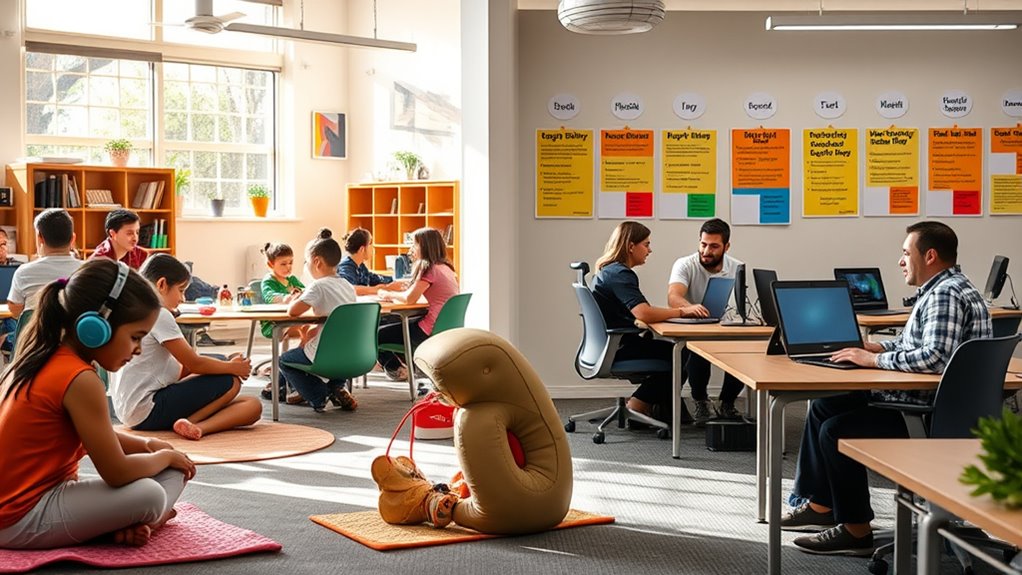
Neurodiversity awareness is essential for fostering understanding and acceptance of the varied ways brains process information. When you recognize that neurodiversity encompasses conditions like autism, ADHD, dyslexia, and more, you begin to see the value in designing environments that support everyone. This shift in mindset has led to meaningful changes in workplaces and classrooms alike, emphasizing the importance of assistive technologies and inclusive curricula. These tools and strategies aren’t just accommodations—they’re indispensable components in creating equitable spaces where all individuals can thrive.
In 2025, conversations around neurodiversity have propelled the adoption of assistive technologies that make a real difference. You might use speech-to-text software, screen readers, or sensory regulation tools to help navigate daily tasks more comfortably. These technologies empower neurodiverse individuals by reducing barriers and increasing independence. At work, they enable you to participate fully in meetings, complete tasks efficiently, and communicate more effectively. In schools, assistive tech helps students access learning materials on their terms, fostering confidence and engagement. When you understand the potential of these tools, you start to see how essential they are for inclusion. Moreover, the increased awareness has driven the development of specialized educational tools, enhancing learning experiences for diverse learners.
Alongside assistive technologies, inclusive curricula have become a cornerstone of modern education. You’re likely to encounter lesson plans designed with a variety of learning styles in mind, ensuring that students with diverse needs aren’t left behind. These curricula incorporate visual aids, hands-on activities, flexible assessment methods, and opportunities for self-paced learning. This approach not only benefits neurodiverse students but also creates a richer, more dynamic learning environment for everyone. When you’re part of a classroom that values inclusivity, you see how tailored teaching strategies foster understanding, empathy, and collaboration among peers.
Workplaces, too, have embraced this shift by implementing inclusive practices that recognize different cognitive styles. You might find that your employer offers flexible work hours, quiet spaces, or customized communication methods. Such initiatives demonstrate that embracing neurodiversity boosts productivity and innovation. As you become more aware of these practices, you realize that fostering an inclusive culture isn’t just about compliance—it’s about empowering the full potential of everyone involved.
Ultimately, the conversations of 2025 have made it clear that neurodiversity isn’t a challenge to be fixed but a natural variation to be celebrated. Your role in this movement involves advocating for and adopting assistive technologies and inclusive curricula that recognize individual strengths. When you do, you contribute to a world where diversity is valued, and everyone has the opportunity to succeed. This ongoing dialogue continues to reshape how work and school operate, making them more accessible, supportive, and innovative for all.
speech-to-text software for neurodiverse individuals
As an affiliate, we earn on qualifying purchases.
As an affiliate, we earn on qualifying purchases.
Frequently Asked Questions
How Do Workplaces Implement Neurodiversity-Friendly Policies Effectively?
To implement neurodiversity-friendly policies effectively, you should start with inclusive training that educates staff about neurodiversity. Offer flexible accommodations tailored to individual needs, like quiet workspaces or adjusted schedules. Communicate openly, foster an inclusive culture, and regularly review policies for improvements. By actively supporting neurodiverse employees through training and accommodations, you create a more innovative, respectful, and productive workplace environment.
What Are the Common Misconceptions About Neurodiverse Individuals?
You might think neurodiverse individuals just fit stereotypes, but challenges often stem from awareness misconceptions. Many believe they lack abilities or need special treatment, which isn’t true. Instead, you should recognize their unique strengths and the importance of inclusive environments. Challenging stereotypes helps create understanding, so you can support neurodiverse people effectively and foster workplaces and schools that value diversity and individual differences.
How Can Schools Better Support Neurodiverse Students’ Success?
You can better support neurodiverse students by implementing individualized strategies tailored to their needs and strengths. Encourage peer mentoring programs, which foster understanding and social skills. Create flexible learning environments that adapt to different learning styles, and train staff on neurodiversity awareness. This approach helps students thrive academically and socially, ensuring they feel valued and empowered to succeed in school.
What Role Does Technology Play in Neurodiversity Awareness?
Think of technology as a lighthouse guiding you through a foggy sea. Assistive tech and virtual reality act as beams that illuminate neurodiverse individuals’ strengths and needs. They help you better understand and support diverse learners, making education and workspaces more inclusive. By embracing these tools, you empower everyone to navigate challenges confidently, creating environments where all can thrive and contribute uniquely.
How Has Public Perception of Neurodiversity Evolved by 2025?
By 2025, you’ll notice public attitudes have shifted to embrace neurodiversity, fostering greater societal acceptance. People now view neurodiversity as a valuable aspect of human variation rather than a deficit, encouraging inclusive environments. This evolution results from increased awareness, education, and open conversations, making it easier for you to support neurodiverse individuals. Society’s growing acceptance helps break down stereotypes and promotes understanding across workplaces and schools.
sensory regulation tools for autism and ADHD
As an affiliate, we earn on qualifying purchases.
As an affiliate, we earn on qualifying purchases.
Conclusion
By 2025, conversations about neurodiversity have transformed workplaces and classrooms into vibrant gardens, where every unique mind is a blooming flower. You’ve learned that understanding and acceptance help each person thrive, turning challenges into opportunities. Just as a garden flourishes with care, our society blossoms when we embrace neurodiversity. Keep nurturing this awareness, and watch how your world becomes a more colorful, inclusive place—where everyone’s true potential can bloom freely.
screen reader software for students
As an affiliate, we earn on qualifying purchases.
As an affiliate, we earn on qualifying purchases.
noise-canceling headphones for sensory processing
As an affiliate, we earn on qualifying purchases.
As an affiliate, we earn on qualifying purchases.
Columbus Day / Indigenous Peoples' Day Picks
long weekend sales
As an affiliate, we earn on qualifying purchases.