By 2025, colleges are focusing heavily on mental health to support your well-being amid academic and social pressures. You’ll find more accessible resources like counseling centers, workshops, and online platforms, designed to be approachable and stigma-free. Peer support programs and awareness campaigns will help create a stronger sense of community and understanding. This all-encompassing approach aims to empower you to face campus challenges confidently while maintaining your mental health—discover how these initiatives can benefit you personally.
Key Takeaways
- Increased campus awareness campaigns aim to normalize mental health discussions and reduce stigma among students.
- Integration of peer support programs enhances community, reduces isolation, and encourages early help-seeking behaviors.
- Expanded access to professional counseling, workshops, and online resources provides comprehensive mental health support.
- Educational initiatives, including orientation modules, promote self-care, stress management, and recognition of mental health issues.
- A holistic approach combining peer-led and professional services fosters a safe, understanding environment prioritizing student well-being.
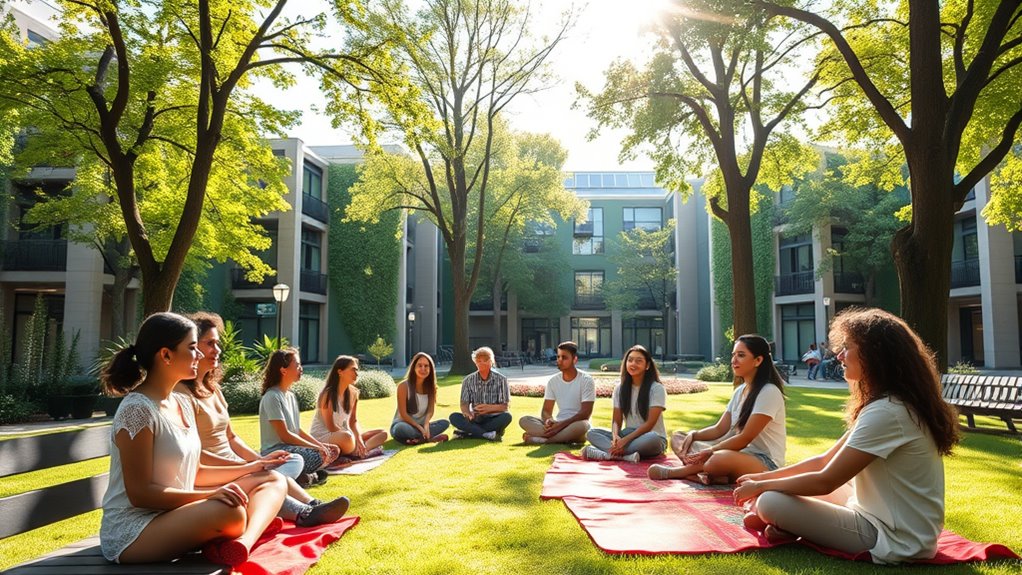
Have you ever wondered how students manage the intense pressures of campus life? It’s no secret that college can be overwhelming at times, with academic demands, social challenges, and personal growth all happening simultaneously. That’s why many students turn to peer support and campus resources to help navigate these hurdles. Peer support creates a sense of community, making it easier to share struggles and find reassurance from classmates who understand what you’re going through. Whether it’s studying together, sharing advice, or simply listening, peers often serve as the first line of mental health support on campus. This informal network can lessen feelings of isolation and foster a sense of belonging, which is vital in maintaining mental well-being.
Campuses are increasingly investing in resources to bolster student mental health. Counseling centers, mental health workshops, and online platforms are now more accessible than ever. These campus resources provide professional guidance, coping strategies, and crisis intervention when needed. They’re designed to be approachable, removing the stigma often associated with seeking help for mental health issues. You’re encouraged to utilize these services early on, before problems escalate. Many institutions also offer peer-led initiatives, where trained students facilitate support groups or wellness activities, creating a comfortable environment for others to open up. The blend of professional services and peer-led programs creates a thorough support system, ensuring students don’t have to face their struggles alone.
Moreover, campuses are actively promoting mental health awareness campaigns to normalize conversations around mental wellness. These initiatives aim to educate students about recognizing signs of stress, anxiety, or depression, empowering you to seek help when needed. They also highlight the importance of self-care and maintaining a healthy balance between academics and personal life. With this increased focus on mental health, students are more aware of the resources available and feel more comfortable reaching out. Many campuses have also integrated mental health modules into orientation programs, ensuring students start their college journey with the right tools and knowledge. Recognizing the importance of peer support and accessible resources can significantly enhance your overall well-being.
In essence, managing mental health on campus is about leveraging the support network around you. Peer support and campus resources work hand in hand to create an environment where students feel safe, understood, and empowered to prioritize their well-being. As awareness grows in 2025, it’s clear that mental health isn’t just an individual concern but a collective priority. With the right support system in place, you can face the challenges of campus life more confidently and maintain your mental wellness throughout your college experience.

College Student Mental Health Counseling: A Developmental Approach
As an affiliate, we earn on qualifying purchases.
As an affiliate, we earn on qualifying purchases.
Frequently Asked Questions
How Are Universities Funding New Mental Health Initiatives?
Universities fund new mental health initiatives through diverse funding models, including allocating part of their budgets specifically for wellness programs. They also actively seek mental health grants from government agencies, private foundations, and nonprofits to supplement their resources. By applying for these grants, you might notice increased mental health services on campus. These strategies help universities expand support, ensuring students access the care they need without overburdening existing funds.
What Role Do Peer Support Programs Play in Student Wellness?
Peer support programs, like peer mentoring and support networks, play a vital role in your student wellness. They provide relatable guidance, foster a sense of belonging, and reduce feelings of isolation. By connecting you with peers who understand your experiences, these programs encourage open conversations about mental health, boost your resilience, and create a supportive community that enhances your overall well-being during your campus journey.
Are There Specific Mental Health Challenges Unique to International Students?
You might face unique mental health challenges as an international student, such as cultural adjustment and language barriers. These issues can lead to feelings of isolation, anxiety, or depression. You’re often steering through unfamiliar social norms and academic expectations, which can be overwhelming. It’s important to seek support, connect with others who understand your experience, and utilize campus resources to help manage these challenges effectively.
How Is Data Privacy Maintained in Campus Mental Health Surveys?
Think of campus mental health surveys as locked treasure chests. You’re assured that confidentiality protocols keep your personal info secure, while data anonymization acts like a disguise, preventing anyone from linking responses to you. This dual approach guarantees your privacy stays protected, encouraging honest feedback. You can confidently share your experiences, knowing that your data remains confidential and your identity stays hidden, fostering a safe environment for everyone’s mental well-being.
What Training Do Faculty Receive to Support Student Mental Health?
You’ll find that faculty receive specialized training in student engagement and mental health support. This training helps you recognize signs of distress and fosters a supportive environment. You’re encouraged to approach students with empathy, provide resources, and know when to refer them to professionals. By actively participating in faculty training, you become better equipped to support students’ mental well-being and create an inclusive campus atmosphere.
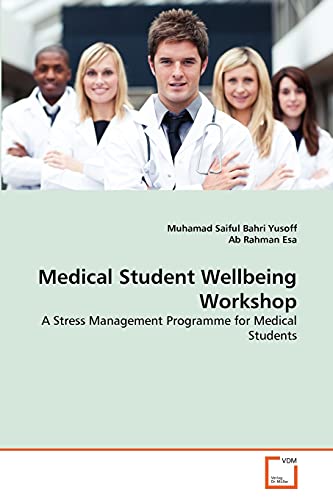
Medical Student Wellbeing Workshop: A Stress Management Programme for Medical Students
As an affiliate, we earn on qualifying purchases.
As an affiliate, we earn on qualifying purchases.
Conclusion
As you navigate your college journey, prioritize your mental health. Embrace support, seek help when needed, and foster connections with others. Remember, mental wellness isn’t a destination but a daily commitment. Take care of your mind as you take on your classes, your goals, and your future. Because a healthy mind fuels a thriving campus experience, a thriving campus experience shapes a better tomorrow—for you, for everyone.

The Role of Online Support in Mental Health
As an affiliate, we earn on qualifying purchases.
As an affiliate, we earn on qualifying purchases.

Caring for Kids in Communities: Using Mentorship, Peer Support, and Student Leadership Programs in Schools (Counterpoints)
As an affiliate, we earn on qualifying purchases.
As an affiliate, we earn on qualifying purchases.