

Cities are shifting toward green commutes, making e-bikes and scooters popular among youth who want to ditch cars. Infrastructure improvements, like dedicated bike lanes and scooter-friendly streets, boost safety and convenience. Environmental policies and incentives encourage sustainable travel, while community programs promote eco-friendly options. This movement not only reduces pollution but also creates healthier, more accessible urban spaces. If you want to explore how these trends are transforming city life, there’s more to discover below.
Key Takeaways
- Urban infrastructure improvements, like dedicated bike lanes and well-lit paths, encourage youth to choose e-bikes and scooters over cars.
- Government incentives and subsidies make eco-friendly commuting options more affordable and accessible for young people.
- Community programs promote youth engagement in e-biking and scooting, fostering sustainable transportation habits.
- Environmental policies aim to reduce reliance on fossil fuels, making green commutes a practical and responsible choice.
- Youth-driven adoption of e-bikes and scooters contributes to healthier, cleaner cities with improved air quality and reduced noise pollution.

As more people seek sustainable ways to get around, green commutes have become an essential part of reducing our environmental impact. This shift isn’t just about individual choices; it reflects broader changes in urban planning and environmental policy. City designs now prioritize bike lanes, scooter-friendly streets, and accessible e-bike stations, making it easier for you to choose eco-friendly transportation options. Governments recognize that encouraging such modes reduces traffic congestion, lowers emissions, and improves air quality. By integrating these priorities into urban planning, cities are creating environments where ditching cars becomes a practical, appealing choice.
Cities are designing streets with bike lanes and e-bike stations to promote eco-friendly commuting options.
You might notice that many urban areas are redesigning streets to accommodate more than just cars. Dedicated bike lanes and scooter pathways encourage you to opt for these alternatives over driving. These infrastructure improvements stem from environmental policies aimed at decreasing reliance on fossil fuels and reducing carbon footprints. When policymakers support incentives for e-bike purchases or subsidize scooter rentals, they’re actively shaping a culture of sustainable commuting. Your daily commute, whether to work or school, is increasingly influenced by these policies, making it easier and more affordable to choose a green option.
As a young person, you’re at the forefront of this movement. Youth are often more receptive to innovative transportation solutions, seeing them as both practical and environmentally responsible. Many cities now host community programs that promote e-biking and scooting, offering free or discounted rentals to encourage you and your peers to leave cars behind. These initiatives are part of a larger push to reshape urban environments so that alternative transport isn’t just a trend but a norm. With support from environmental policies, you can enjoy safer, cleaner streets while reducing your carbon footprint.
Moreover, the social aspect plays a role in making green commutes attractive. More people your age are choosing bikes and scooters because they’re fun, convenient, and cost-effective. Urban planning that includes well-lit bike paths and secure parking makes these options even more appealing. Environmental policies that promote sustainable transportation also emphasize the importance of reducing noise pollution and improving public health—benefits that resonate with you and your community. When cities prioritize these changes, you’re empowered to make greener choices without sacrificing convenience or speed.
In essence, the combination of thoughtful urban planning and supportive environmental policy is transforming how you navigate your city. It’s no longer just about individual preference but about collective responsibility and systemic change. As a young commuter, you’re part of a movement that’s making sustainable travel accessible, safe, and trendy. Your choices, backed by policy and infrastructure, help create cleaner, healthier urban spaces for everyone.
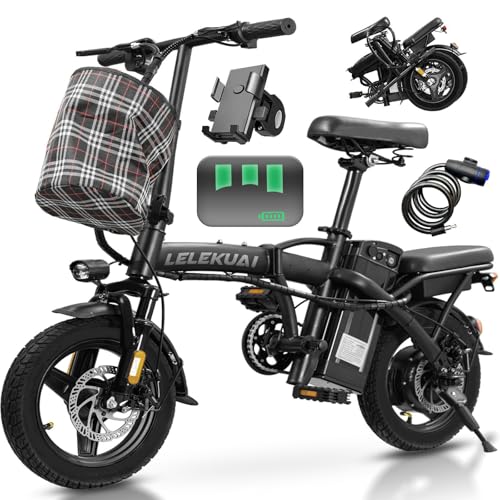
Electric Bike for Adults Teens, Commuting City Folding ebike with 560W Motor and 48V Battery, 24MPH 3-Level Pedals Assist, Dual Disc Brakes,14" Compact Foldable Electric Bicycle with UL2849 Certified
Powerful 560W Motor & 24MPH Speed – This Electric Bike is equipped with a high-torque 560W motor, delivering…
As an affiliate, we earn on qualifying purchases.
As an affiliate, we earn on qualifying purchases.
Frequently Asked Questions
What Are the Safety Tips for Riding E-Scooters in Urban Areas?
When riding e-scooters in urban areas, always prioritize helmet safety to protect yourself from injuries. Follow riding etiquette by signaling turns, staying in bike lanes, and obeying traffic laws. Keep both hands on the handlebars and stay alert for pedestrians and cars. Avoid distractions like phone use, and ride at a safe speed. These tips help guarantee a safer, more enjoyable experience while contributing to responsible urban commuting.
How Do E-Bikes Impact Overall Transportation Infrastructure?
Imagine a city gently evolving; e-bikes subtly reshape urban planning by encouraging more flexible, eco-friendly transportation. They influence infrastructure investment, prompting upgrades like dedicated bike lanes and charging stations. This shift reduces congestion and pollution, making your daily commute smoother. As you embrace e-bikes, you help foster a more sustainable, efficient transportation system, transforming urban areas into vibrant, accessible spaces that serve everyone better.
Are Youth More Inclined to Choose E-Scooters Over Bikes?
Yes, youth are more inclined to choose e-scooters over bikes for urban mobility. They find e-scooters more convenient and fun, fitting their fast-paced lifestyles and social activities. Younger riders prefer the quick, easy-to-use nature of e-scooters, making them a popular choice for short trips around the city. This shift reflects changing youth preferences and highlights how urban mobility options are evolving to meet their needs.
What Government Incentives Support Green Commuting Options?
You can benefit from government incentives like tax credits and subsidy programs that support green commuting options. These incentives lower the costs of purchasing e-bikes, scooters, and other eco-friendly transportation. By taking advantage of these programs, you make it more affordable to choose sustainable travel. Check your local or federal government websites to find specific tax credits or subsidies available in your area, helping you save money while reducing your carbon footprint.
How Do Weather Conditions Affect the Use of E-Bikes and Scooters?
Weather patterns and seasonal fluctuations considerably impact your use of e-bikes and scooters. Rain, snow, or strong winds make riding unsafe or uncomfortable, often discouraging you from commuting. During colder months, you might find it less appealing due to temperature drops, while hot weather can also deter you. You’ll likely adjust your plans based on weather changes, preferring indoor options or different transportation modes when conditions aren’t ideal for your green commute.

MAXSHOT Electric Scooter for Adults, 8.5/10/14" Tires, 19/22Mph, 350W/500W Motor, 21-28 Miles Range, Folding E-Scooter with Dual Suspension,APP Control
Great Performance on Your Way: Equipped with 350W powerful motor and high capacity battery, V1 electric scooter allows…
As an affiliate, we earn on qualifying purchases.
As an affiliate, we earn on qualifying purchases.
Conclusion
As you embrace green commutes like e-bikes and scooters, you’re steering toward a cleaner, brighter future. With more youth ditching cars, our streets become less like concrete jungles and more like open canvases for fresh possibilities. Your choice to pedal or scoot isn’t just a simple shift—it’s a ripple in the pond of change, inspiring others to follow suit. Together, we’re weaving a tapestry of sustainable movement that brightens both the planet and our lives.
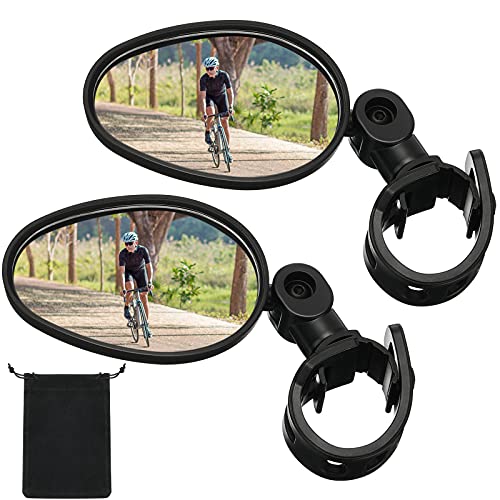
Hestya 2 Pcs Bike Mirror 360 Degree Adjustable Safe Rotatable Handlebar Mirror Bicycle Accessories Shockproof Acrylic Convex for Mountain Road Bike
What You Will Get: you will get 2 pieces of bike mirrors, which can help you get a…
As an affiliate, we earn on qualifying purchases.
As an affiliate, we earn on qualifying purchases.
eco-friendly urban transportation gear
As an affiliate, we earn on qualifying purchases.
As an affiliate, we earn on qualifying purchases.


