
If you’re feeling overwhelmed by climate anxiety, know that youth worldwide are turning their fears into action. They connect with others, join community campaigns, and take small steps like reducing waste or participating in local events. Educating themselves about climate science and advocating for change helps build hope. By transforming fear into purposeful activism, you can find a way to make a difference while maintaining your well-being. Stay with us to discover how you can channel your concern into meaningful change.

Get furniture and decor delivered free with Prime
- Fast, free delivery on millions of items
- Prime Video, Amazon Music and more included
- Member-only deals all year
Key Takeaways
- Youth are transforming climate anxiety into activism by participating in local events like clean-ups and climate strikes.
- Connecting with peers through social media and organizations builds support networks that inspire ongoing engagement.
- Educating themselves on climate science and policy strengthens advocacy efforts and effective communication.
- Taking small, manageable actions—such as conserving energy—helps reduce feelings of helplessness and fosters hope.
- Prioritizing self-care and mindfulness maintains resilience, enabling sustained activism and a positive outlook.
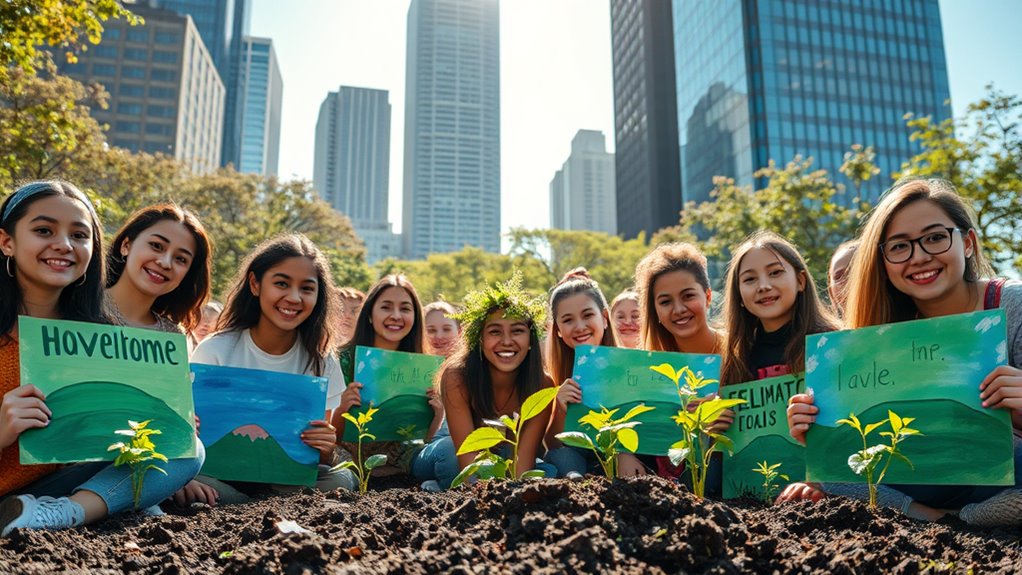
Have you ever felt overwhelmed by worries about the planet’s future? If so, you’re not alone. Many young people experience intense feelings of climate anxiety, a form of stress rooted in concerns about environmental decline and global warming. These feelings can weigh heavily on your mental health, making it hard to focus or find hope amid the constant stream of alarming news. But rather than letting fear consume you, you can channel that energy into activism strategies that empower you and others to make a difference. Turning anxiety into action not only helps combat climate change but also supports your emotional well-being by giving you a sense of purpose.
When anxiety about climate issues starts affecting your mental health, it’s essential to find healthy ways to cope. Recognize that your feelings are valid and shared by many others. Connecting with like-minded peers can create a support network where you exchange ideas, share frustrations, and celebrate victories. Social media platforms and youth-led organizations are excellent avenues for finding communities that understand your concerns and motivate you to stay engaged. These connections can help lessen feelings of helplessness and reinforce that your voice matters.
To implement effective activism strategies, start with small, manageable actions. This could be as simple as reducing your carbon footprint by using public transportation, resisting single-use plastics, or conserving energy at home. Participating in local clean-up events, planting trees, or joining climate strikes are impactful ways to demonstrate your commitment. Each action, no matter how small, builds momentum and reinforces your belief that collective effort can bring about change. Additionally, setting achievable goals allows you to see tangible results, which can boost your confidence and reduce feelings of despair.
Educating yourself about climate science and policy also plays a *significant* role in activism. Knowledge provides clarity and helps you articulate the importance of your efforts. It enables you to engage in informed discussions, advocate for policy changes, and inspire others to join the movement. Learning about portable camping gear and other outdoor supplies can also inspire eco-friendly choices during your activism activities, contributing to sustainable practices. Remember, your mental health benefits when you balance activism with self-care. Take time to disconnect from distressing news, practice mindfulness, or engage in activities that bring you joy. This balance prevents burnout and keeps you resilient in the face of ongoing challenges.
Ultimately, transforming climate anxiety into activism strategies can turn fear into hope. By taking deliberate action, supporting others, and prioritizing your mental health, you become part of a powerful movement that pushes for a healthier planet and a more hopeful future. Your fears are valid, but they can serve as a catalyst for meaningful change—one step at a time.
reusable water bottles eco-friendly
As an affiliate, we earn on qualifying purchases.
As an affiliate, we earn on qualifying purchases.
Frequently Asked Questions
How Can Parents Support Youth Experiencing Climate Anxiety?
You can support youth experiencing climate anxiety by practicing supportive communication and offering emotional validation. Listen actively, acknowledge their feelings without judgment, and reassure them that their concerns are valid. Encourage open conversations about their worries and help them find positive actions they can take. Your presence and understanding can make a big difference, helping them feel heard and empowered rather than overwhelmed.
Are There Effective Therapies for Climate-Related Mental Health Issues?
Yes, there are effective therapies for climate-related mental health issues. You can explore cognitive-behavioral therapy (CBT), which helps change negative thought patterns about climate fears, and mindfulness techniques, which promote present-moment awareness and reduce anxiety. Both approaches empower you to manage your emotions better, foster resilience, and turn your climate concern into constructive action. Consulting a mental health professional experienced in these therapies can provide personalized support.
What Role Do Schools Play in Addressing Climate Anxiety?
You play a crucial role in addressing climate anxiety through your school. With studies showing 70% of youth feel overwhelmed by climate issues, schools can foster resilience by promoting classroom engagement and integrating climate topics into the curriculum. This empowers you to understand environmental challenges better and motivates constructive action, transforming fear into hope. Your school’s support helps you develop coping skills and a proactive mindset for a sustainable future.
How Does Climate Anxiety Differ Across Various Age Groups?
You’ll notice that climate anxiety varies across age groups due to developmental differences and emotional responses. Younger children might express worry through behavior changes, while teens often show heightened concern and activism. Adults may experience anxiety more as frustration or helplessness. These differences shape how each age group processes climate fears, influencing their emotional responses and coping strategies. Recognizing these variations helps tailor support and communication effectively.
Can Climate Activism Improve Mental Health Among Young People?
Imagine standing on a stormy shore, feeling overwhelmed by crashing waves—climate activism can be your lighthouse, guiding you toward better mental health. Engaging in eco-therapy programs and building community resilience helps you channel anxiety into constructive action. This connection fosters hope, reduces feelings of helplessness, and creates a supportive environment where you feel empowered, ultimately improving your mental well-being amid the climate crisis.
As an affiliate, we earn on qualifying purchases.
Conclusion
You stand at a crossroads, feeling the weight of climate anxiety pressing down like a storm cloud overhead. Yet, amidst the looming darkness, you choose to channel that fear into hope and action. Your restless energy becomes a spark, igniting change where despair once dwelled. While the world around you trembles with uncertainty, your resolve shines like a lighthouse guiding others through the storm, proving that even in fear, there’s power to forge a brighter future.
As an affiliate, we earn on qualifying purchases.
As an affiliate, we earn on qualifying purchases.
Halloween Picks
halloween
As an affiliate, we earn on qualifying purchases.