

To love yourself first, practice self-compassion techniques like mindful affirmations and compassionate journaling. Use positive, present-tense statements such as “I am enough” and write kindly to yourself, treating your feelings with understanding. Spend a few moments each day reinforcing these habits, especially in front of a mirror or during quiet times. Over time, these practices boost resilience and promote a more compassionate view of yourself. If you’re keen to learn more, keep exploring these gentle methods.
Key Takeaways
- Practice mindful affirmations like “I am enough” daily to reinforce self-worth and counter negative thoughts.
- Engage in compassionate journaling by writing to a friend, acknowledging feelings with kindness and understanding.
- Use self-compassionate language during reflection, focusing on acceptance rather than perfection.
- Incorporate these techniques into routine moments, such as mirror affirmations or evening journaling, for consistency.
- Recognize that cultivating self-love promotes resilience, emotional well-being, and a supportive relationship with oneself.

Practicing self-compassion can profoundly improve your emotional well-being, especially during challenging times. When you treat yourself with kindness and understanding, you create a safe space where negative self-talk loses its power. One effective way to nurture this mindset is through mindful affirmations. These are positive, present-tense statements you repeat to yourself to counteract self-criticism and reinforce your worth. For example, saying, “I am enough,” or “I am deserving of love,” helps reframe your thoughts and fosters a sense of acceptance. When you incorporate mindful affirmations into your daily routine, you begin to recognize your intrinsic value beyond external achievements or others’ opinions. This simple practice encourages a moment of reflection, grounding you in the present moment and cultivating a compassionate attitude towards yourself.
In addition to mindful affirmations, compassionate journaling can be a powerful self-compassion technique. Taking time to write about your feelings and experiences allows you to process emotions without judgment. When you journal compassionately, you acknowledge your struggles with kindness rather than criticism. Write as if you’re speaking to a close friend—offer yourself words of comfort, encouragement, and understanding. This approach helps you develop awareness of your inner dialogue and identify patterns of self-criticism that may undermine your confidence. Over time, compassionate journaling becomes a tool for self-reflection, enabling you to see your growth and resilience clearly. It also helps you cultivate gratitude for your efforts and progress, which boosts your emotional resilience. Incorporating self-awareness into your routine can further enhance your capacity for self-compassion.
Both mindful affirmations and compassionate journaling are accessible techniques you can practice anytime, anywhere. You might start your day with a few affirmations in front of a mirror or during a quiet moment in your morning routine. Similarly, setting aside time each evening to journal about your day and your feelings encourages ongoing self-awareness and kindness. These practices reinforce the idea that you’re worthy of love and compassion, regardless of external circumstances. Consistency is key; as you regularly engage in these techniques, you’ll notice a gradual shift in how you perceive yourself and handle setbacks. Self-compassion isn’t about perfection but about cultivating a gentle, supportive relationship with yourself—one that empowers you to face life’s challenges with grace and resilience.

WDphouly Affirmation Cards for Women, 120 Positive Affirmation Cards (6 Themes), Daily Affirmations for Inspiration, Mindfulness & Self Care, Uplifting Gift for Women
POWERFUL AFFIRMATIONS – These positive affirmation cards are simple yet profoundly effective. Tap into your hidden power through…
As an affiliate, we earn on qualifying purchases.
As an affiliate, we earn on qualifying purchases.
Frequently Asked Questions
How Long Does It Take to See Results From Self-Compassion Practices?
You might start noticing benefits from self-compassion practices within a few weeks, but it varies based on your consistency. As you build self-awareness, you’ll gradually develop emotional resilience, helping you respond more kindly to yourself. Keep practicing daily, and you’ll see improvements in your mindset and mood over time. Remember, patience is key—self-compassion is a journey, not a quick fix, so give yourself grace along the way.
Can Self-Compassion Improve Mental Health Quickly?
Like planting a seed in spring, self-compassion can quickly boost your mental health. You might notice improved emotional resilience and reduced stress within days or weeks. By practicing kindness toward yourself, you activate your inner strength, making you more capable of handling life’s challenges. While lasting change takes time, immediate benefits are possible, and each act of self-compassion helps build a healthier, more resilient mind.
Are There Age Limits for Practicing Self-Compassion Techniques?
There are no strict age restrictions for practicing self-compassion techniques. Maturity considerations vary, but children, teenagers, and adults can all benefit from these practices. Younger individuals might need simplified methods or guidance, while older people can adapt techniques to their specific needs. The key is to tailor the approach to your level of understanding and emotional development, making self-compassion accessible and effective at any age.
How Do I Stay Consistent With Self-Compassion Exercises?
Think of your self-compassion journey as tending a garden—you’ll need daily care. To stay consistent, set aside time each day for mindfulness journaling and repeat your daily affirmations like watering your plants. Keep reminders visible and celebrate small wins. When you miss a day, don’t fret; just gently return to your routine. Over time, these habits will grow stronger, nurturing your inner peace and self-love.
Can Self-Compassion Help With Specific Mental Health Conditions?
Self-compassion can profoundly help with mental health conditions by boosting your emotional resilience and aiding anxiety management. When you practice kindness toward yourself, you create a safe space to process emotions, reducing feelings of shame or guilt. This approach helps you build resilience, making it easier to handle stress and anxiety. Over time, self-compassion fosters a healthier mindset, supporting your mental wellness and improving your overall quality of life.

Guided Bible Study Journal for Women – Bible Journal for Women, Sermon Notes Notebook, Church Notes Journals, Scripture Study Supplies and Journaling Kit, Faith Based Easter Gifts
BIBLE STUDY SUPPLIES FOR WOMEN: This Bible notes journal includes 182 pages, with a 6×8 inch size and…
As an affiliate, we earn on qualifying purchases.
As an affiliate, we earn on qualifying purchases.
Conclusion
Remember, treating yourself with gentle kindness blooms into a more radiant, resilient you. When you soften your inner critic and embrace your imperfections, you nurture a quiet strength that carries you through life’s storms. Love yourself first, not as a destination, but as a tender journey of self-discovery. By practicing these small acts of compassion, you create a warm haven within—where your true worth gently unfolds, shimmering softly in the light of your own kindness.

Self-Love Affirmations & Reflections: A Ritual for Self-Worth, Self-Compassion, and Self-Care
As an affiliate, we earn on qualifying purchases.
As an affiliate, we earn on qualifying purchases.
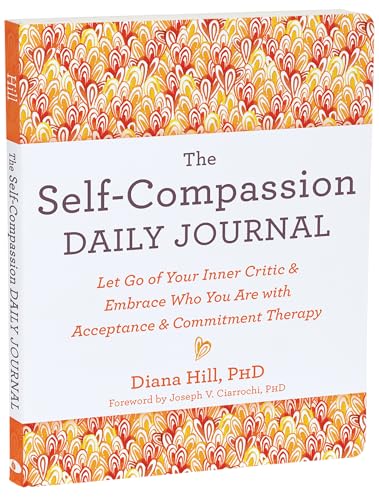
The Self-Compassion Daily Journal: Let Go of Your Inner Critic and Embrace Who You Are with Acceptance and Commitment Therapy (The New Harbinger Journals for Change Series)
As an affiliate, we earn on qualifying purchases.
As an affiliate, we earn on qualifying purchases.