ABC’s decision to focus heavily on Jimmy Kimmel Live raises questions about the future of late-night TV. While Kimmel leads in key demographics, overall ratings are declining, and traditional TV audiences keep shrinking. This shift suggests ABC might be reshaping its late-night strategy to adapt to changing viewer habits. As networks reassess their approaches, exploring how this move impacts the industry reveals more about what’s next for late-night television.
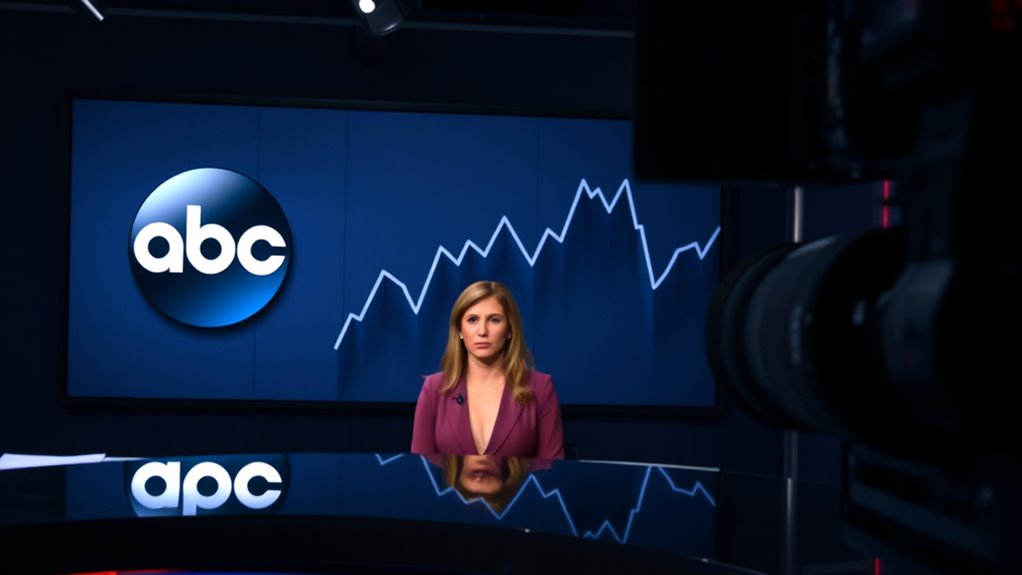
Is ABC’s recent decision to prioritize Jimmy Kimmel Live! over other late-night options reshaping its future in the crowded TV landscape? This move signals that ABC sees potential in Kimmel’s show, especially given its slight edge over competitors in the pivotal 18-49 demographic. Despite a decline in total viewers—down 9% from Q1 2025—Kimmel’s ability to attract younger audiences makes it a valuable asset for the network. You might wonder, why focus on the demo? Because advertisers value the 18-49 age group more than total viewers. Kimmel’s lead in this demographic, with 220,000 viewers compared to Colbert’s 219,000, indicates a stronger appeal to younger, more desirable audiences. This strategic emphasis suggests ABC aims to capitalize on Kimmel’s demographic strength, even as overall ratings decline. The ratings landscape continues to shift as traditional TV audiences decline. However, the numbers reveal a more complicated picture. Kimmel’s total viewers have slipped, and his ratings are particularly weaker compared to CBS’s *The Late Show with Stephen Colbert*, which leads with 2.417 million viewers. While Colbert maintains total viewership dominance, Kimmel’s slight edge in the demo hints at a shifting focus toward attracting younger viewers. This could mean that ABC is recalibrating its late-night strategy to adapt to changing viewer habits—where digital consumption and streaming are increasingly replacing traditional TV. As more viewers turn to podcasts and online platforms, the importance of traditional ratings diminishes, complicating ABC’s decision-making process. The competitive landscape intensifies this challenge. Colbert’s show remains the top in total viewers, but Kimmel’s demographic advantage makes him a more attractive choice for advertisers seeking the coveted 18-49 crowd. Meanwhile, NBC’s *The Tonight Show* lags behind in both total viewership and demo, highlighting the struggles across the traditional late-night space. Even though other networks like Fox News have seen growth in different formats, the days of late-night TV as a dominant cultural force are waning. The art of hosting a nightly talk show is increasingly viewed as a “dying art,” as audiences fragment and shift to alternative media. ABC’s focus on Kimmel’s demo may help with ad revenue, but it also raises questions about the show’s long-term sustainability. If total viewers keep shrinking, ABC will need to innovate further—to revamp its format or strengthen digital engagement—to stay relevant. The network’s decision underscores a broader dilemma: balancing traditional late-night appeal with the realities of a media landscape where younger audiences prefer streaming, podcasts, and short-form content. Additionally, the rise of all-inclusive resorts with unique amenities like water parks reflects how businesses adapt to attract a younger demographic. Ultimately, ABC’s choice to double down on Kimmel’s appeal to the 18-49 demographic might be a strategic move, but it also underscores the uncertain future of late-night television.
Frequently Asked Questions
How Will Abc’s Decision Impact Other Late-Night Shows?
Your late-night show will face increased scrutiny and tighter content controls as ABC’s decision prompts industry-wide changes. You might see more cautious scripts, stricter oversight, and a shift toward safer, less provocative content. Networks could implement preemption clauses, affecting your show’s flexibility. Audience reactions and advertiser pressures will influence your approach, potentially leading to less spontaneity but aiming to balance humor with brand safety, impacting your show’s tone and ratings.
What Are the Long-Term Effects on the Show’s Ratings?
Your show’s ratings could fall like a sinking ship if the controversy and suspension linger. Post-incident, viewers have started to drift away, and the decline may continue if the show doesn’t rebound quickly. Audience erosion in key demographics risks shrinking ad revenue and network support. Unless you revitalize the format and regain trust, the long-term outlook looks bleak, with ratings possibly settling at a lower, more unstable level.
Who Are the Main Competitors Affected by This Change?
You’ll notice NBC’s *The Tonight Show* and *Late Night*, along with CBS’s *The Late Show*, are directly impacted by ABC’s late-night shift. These programs compete in the same time slots, and their hosts may face increased scrutiny and content restrictions. As a viewer, you might see less spontaneity across these shows, and networks could adjust their strategies, influencing ratings, talent, and overall late-night programming dynamics.
Will the Show’s Format Change Due to Abc’s Decision?
Yes, the show’s format will likely change due to ABC’s decision. You might see a shift from traditional talk-show elements to more cost-effective formats like game shows, panel discussions, or digital influencer segments. This change aims to adapt to declining viewership and industry trends. By embracing these new formats, you’ll still get late-night content, but in a way that aligns better with current viewer habits and financial realities.
How Are Viewers Responding to the New Programming Choice?
You notice that viewers are divided in their response to the new programming choice. Some express disappointment and backlash, especially loyal fans who feel let down by the change. Others support the decision or remain indifferent, possibly shifting their attention to competitors or digital platforms. Overall, the response reflects a mix of frustration, support, and uncertainty, highlighting how audience loyalty and media reactions shape the show’s future prospects.

Roku Ultra – Ultimate Streaming Player – 4K Streaming Device for TV with HDR10+, Dolby Vision & Atmos – Bluetooth & Wi-Fi 6 – Rechargeable Voice Remote Pro with Backlit Buttons – Free & Live TV
Ultra-speedy streaming: Roku Ultra is 30% faster than any other Roku player, delivering a lightning-fast interface and apps…
As an affiliate, we earn on qualifying purchases.
As an affiliate, we earn on qualifying purchases.
Conclusion
Your favorite late-night show now faces a fork in the road, like a ship caught in a storm’s eye. ABC’s choice has thrown the trajectory into doubt, leaving you wondering if the familiar will drift away or find new winds to guide it forward. Just as a star’s shine can flicker in the night, this shift could either dim the show’s glow or spark a fiery rebirth. The future’s waiting, and only time will tell which path it takes.
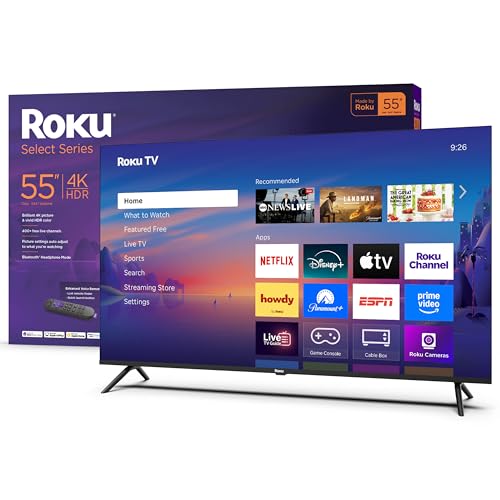
Roku Smart TV – 55-Inch Select Series, 4K HDR TV – Roku TV with Enhanced Voice Remote – Flat Screen LED Television with Wi-Fi for Streaming Live Local News, Sports, Family Entertainment
A treat for the eyes: Sharp 4K brings out rich detail on our 55" flat screen TV, while…
As an affiliate, we earn on qualifying purchases.
As an affiliate, we earn on qualifying purchases.

FIFINE USB/XLR Dynamic Microphone for Podcast Recording, PC Computer Gaming Streaming Mic with RGB Light, Mute Button, Headphones Jack, Desktop Stand, Vocal Mic for Singing YouTube-AmpliGame AM8
[Natural Audio Clarity] Operated with frequency response of 50Hz-16KHz, the podcasting XLR mic delivers balanced audio range, likely…
As an affiliate, we earn on qualifying purchases.
As an affiliate, we earn on qualifying purchases.
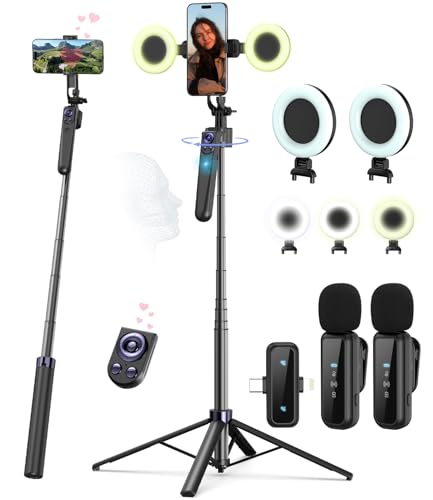
Vlogging Kit for iPhone/Android, 63”Auto Face Tracking Tripod for iPhone with Light, Wireless Microphones, Scrolling Remote Control for TikTok, Content Creator Kit for YouTube Starter
Complete Vlogging Kit: Designed for content creators, this kit includes a face-tracking tripod for iPhone, professional microphone, and…
As an affiliate, we earn on qualifying purchases.
As an affiliate, we earn on qualifying purchases.