
TL;DR

Get furniture and decor delivered free with Prime
- Fast, free delivery on millions of items
- Prime Video, Amazon Music and more included
- Member-only deals all year
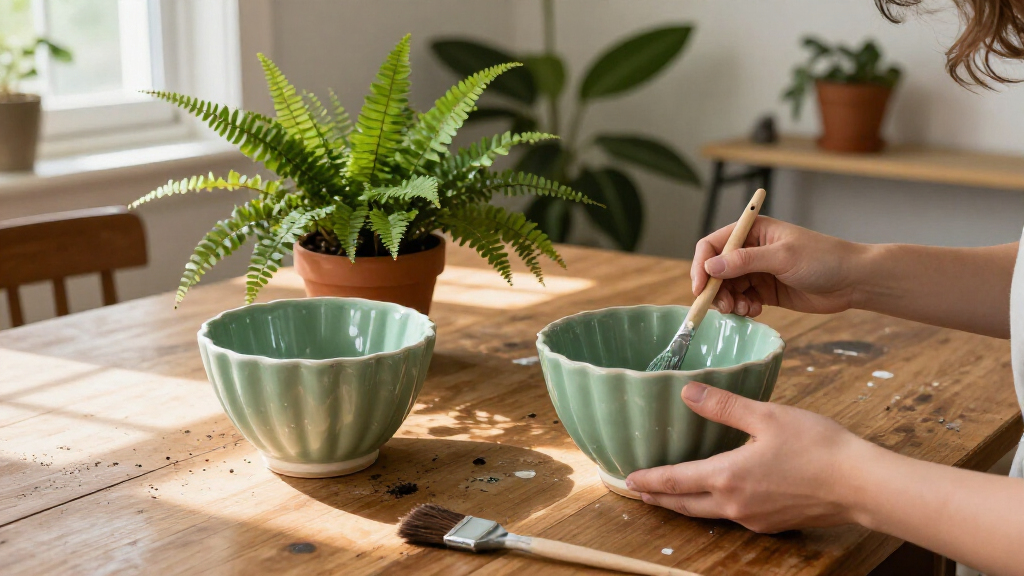
A Hunker report describes a DIY project from Facebook creator She’s So CraftDee that pairs two Dollar Tree fluted bowls with glass taper candleholders to make two vintage-style planters. The steps use glue, primer or paint, and antique wax; the source does not establish a final project cost or test the planters for outdoor use.
Hunker has outlined a DIY planter project by Facebook creator She’s So CraftDee, using two fluted bowls and glass taper candleholders sold at Dollar Tree to make a pair of vintage-style decorative containers. The project offers a low-cost starting point for a home decor craft, though the source does not give a final all-in price or confirm whether the finished pieces are suitable for planting directly.
The design starts with a two-pack of Carters Corner Clear Flared Bowls, listed in Hunker’s report at $2, and three Glass Taper Candleholders at $1.25 each. Other supplies include a hot glue gun, a paint sponge, antique wax, and a choice of primer, acrylic paint, or chalk paint. She’s So CraftDee used Bulls Eye 1-2-3 Plus white spray primer, which the report listed at $11 at Home Depot; that price is for the primer, not a confirmed total for the project.
To make the shorter planter, the creator glues one bowl to the rim of one candleholder. For the taller version, she joins the openings of two candleholders and attaches the second bowl to the base of one of them. The source describes hot glue as the connector and does not report testing the bond for holding wet soil or prolonged use.
After assembly, apply primer or paint over the pieces, using additional coats if needed for even coverage, and let them dry. The report says the specific spray primer used takes about 30 minutes to dry. The final step is to dab antique wax onto the surface with a sponge, then wipe it back with a paper towel to leave a deliberately uneven, aged finish. The pieces can then be used with a cutting, either real or faux, according to the report.
A Low-Cost Route to Vintage Decor
The project is relevant to readers seeking decorative planters on a budget because it repurposes inexpensive bowls and candleholders rather than requiring purpose-made pieces. It also shows how paint and wax can change the appearance of clear glass and plastic-like decor items, making the method adaptable to different colors and finishes.
Still, the listed prices are individual supply prices, not a verified total. Shoppers may already own some materials, while paint, wax, glue, taxes, and local availability can change the amount spent. The planters are presented as decorative DIY objects; the article does not establish their durability, drainage, or safety for direct use with living plants.
Products Worth Considering

Coway Mighty AP-1512HH(W) Air Purifier, White

Bose SoundLink Flex (2nd Gen) Portable Bluetooth Speaker

Dyson V8 Cyclone Cordless Vacuum
As an affiliate, we earn on qualifying purchases.
How the Two-Piece Design Works
The construction gives the two planters different heights using the same bowl style. One candleholder forms the base of the shorter piece, while two joined holders raise the second bowl. That arrangement creates a coordinated pair without requiring specialized woodworking or gardening tools, though it does require careful gluing and drying.
Hunker says the creator’s finish uses a product called antique wax, while clarifying that the Waverly Inspirations product she selected is a water-based chalk paint wax that also functions as a sealant. The report lists it at $7.27 at Walmart and says similar products are available elsewhere in different colors. These are prices and product references from the source, not a guarantee of current stock or pricing.
“The construction process is simple”
— Hunker, describing the design
Durability and Plant Use Unverified
The source does not say whether the bowls are glass or another material, provide dimensions, or explain whether the hot-glue joints were tested for strength. It also does not establish whether the finish will withstand water, sunlight, or regular handling. No drainage holes are described, and the report does not confirm that soil and water should go directly into the bowls.
It is also unclear when the cited prices were checked and whether the named supplies remain available at those prices. Hunker’s account supplies a materials list and a method, but no independent performance testing, long-term results, or full cost calculation.
Check Fit, Finish and Planting
Anyone following the project would need to check current product availability and choose a paint or primer compatible with the bowl and candleholder materials. The pieces should be allowed to dry according to the product labels before wax or plants are added. Because the source does not verify water resistance or drainage, readers should treat the finished items as decorative covers unless they confirm the materials and construction are appropriate for direct planting.
The next practical step is to decide whether to use faux greenery or a real plant in a separate pot that fits inside the bowl. The source offers no follow-up on finished examples, durability, or revisions to the method, so those details remain open.
Key Questions
What supplies does the project call for?
The listed materials are two fluted bowls, three glass taper candleholders, a hot glue gun, a paint sponge, antique wax, and primer or paint. Prices in the report include $2 for the bowl two-pack and $1.25 per candleholder, but they are not a complete project estimate.
How are the two planters assembled?
Glue one bowl to a candleholder for the shorter planter. For the taller piece, join two candleholders at their openings, then attach the second bowl to the base of one holder, following the arrangement described by Hunker.
How long does the project take to dry?
Hunker gives an approximate 30-minute drying time for the specific Bulls Eye spray primer used by the creator. Drying times vary by product and conditions; check the label for the paint, primer, and wax actually used.
Can these be used as planters for live plants?
The report suggests adding a real or faux cutting but does not confirm that the bowls have drainage or that the glue and finish can withstand water. A separate nursery pot inside the bowl is a cautious option unless the materials are verified for direct planting.
Source: hunker.com