TL;DR
A decorating article by Apartment Therapy writer Sarah Lyon reports advice from three designers on five styling choices they say can make a home feel less personal or visually unbalanced. Their suggestions include choosing art suited to the wall, upgrading limp pillows, displaying book titles and mixing shelf objects that reflect the homeowner.
Apartment Therapy has published a decorating guide in which writer Sarah Lyon asks three interior designers to identify five styling choices they notice in homes. The designers point to undersized art, worn-looking pillows, exclusively mass-produced artwork, books displayed with their titles hidden and repetitive shelf decor, while recommending choices that better fit a room and reflect its residents.

Get furniture and decor delivered free with Prime
- Fast, free delivery on millions of items
- Prime Video, Amazon Music and more included
- Member-only deals all year
Designer Mariella Cruzado, founder of Splendor Style, says walls can look cluttered or poorly balanced when they hold many small works instead of a few pieces with enough scale to serve as focal points. She also cautions that filling a wall with art may not solve a separate problem, such as a wall color the homeowner dislikes. In that situation, she suggests considering paint choices rather than relying on more small pictures.
Tiffany Skilling says thin pillow fabrics and inserts that do not fill their covers can leave cushions looking limp. Her preference is for fewer pillows with texture and substance, and she suggests trying a larger insert than the cover—for example, a 20-inch insert in an 18-inch cover. She also advises leaving enough room for people to sit comfortably.
Skilling says artwork need not be expensive, but a home can feel more individual when it includes pieces with personal meaning, such as a vintage sketch or a child’s drawing, rather than only generic prints. Pallavi Kale recommends displaying book spines and titles, and varying shelf arrangements with objects that have personal significance instead of repeating the same decorative formula across every shelf.
Five decorating choices designers spot and how to rethink them
Three designers share practical ways to make a home feel balanced, comfortable and personal. Their advice reflects opinion, not rules for every household.
Five choices to reconsider
Small changes can affect a room’s scale, comfort and character.
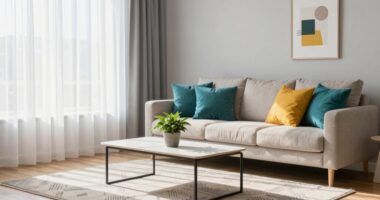
Art too small for the wall
A few larger focal pieces may feel more balanced than many small works.
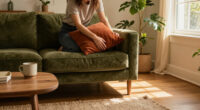
Limp, crowded pillows
Choose fewer substantial cushions and leave room to sit.
Only mass-produced art
Personal finds, vintage sketches or a child’s drawing can add meaning.
Book titles turned away
Visible spines show interests and make books easier to find.
Same decor on every shelf
Mix in objects that reflect the people who live there.
Make the changes work at home
Use the room and the people in it to guide each choice.
Consider whether art fits the wall’s scale; more pictures may not solve a wall color you dislike.
A 20-inch insert in an 18-inch cover is one example; keep enough seating space.
Rearrange what you own or seek meaningful pieces at flea markets and craft fairs.
Advice, not a design study
The article reports the views of Mariella Cruzado, Tiffany Skilling and Pallavi Kale.
- Ideas for scale, comfort and character
- Low-cost ways to make a room more personal
- How common these choices are
- One right style for every home
Personal Details Shape a Room
The designers’ advice focuses on how small styling decisions affect a home’s scale, comfort and character. A wall crowded with undersized pictures can feel different from one anchored by a larger work; poorly filled cushions can look tired and reduce the appeal of a seating area. These are practical concerns as well as aesthetic ones, especially when a room is used by family and guests.
The recommendations also make a case for decorating gradually rather than buying accessories simply to fill space. Choosing pieces tied to a person’s interests or experiences can make a room feel less like a showroom, according to the designers. That approach does not require costly purchases: the source points to children’s artwork, flea-market finds and locally made pieces as possible options. The guidance is professional opinion, not a set of formal design rules, and preferences will vary by household.
Products Worth Considering

Levoit Core 600S-P Smart Air Purifier for Large Rooms up to 2933 ft²

Arlo Pro Wireless Security Camera, 2K HDR, 6th Generation, 4-Camera Set

Philips Hue Festavia Permanent Outdoor String Lights, 80 Lights, 150 ft
As an affiliate, we earn on qualifying purchases.
Advice From Three Designers
The article is a style-advice report, not a new study or a formal industry survey. Lyon says she asked three designers to discuss styling choices that can make a space feel off and to offer alternatives. The supplied source names Cruzado, Skilling and Kale and attributes the views to them; it does not describe a research method or quantify how common any of the five mistakes are.
One distinction in the article concerns books displayed with their pages facing outward and titles hidden. Kale says that approach is sometimes used in professional interior photo shoots to avoid publisher cover-rights issues, but argues it is unnecessary in most homes. Visible titles, she says, make books easier to find and can offer guests a glimpse of the owner’s interests. The advice is about home styling, not a claim that every household should arrange books the same way.
“large focal points”
— Mariella Cruzado, founder of Splendor Style
Advice, Not a Design Study
The source does not establish that these five choices are mistakes for every home, nor does it provide survey data showing how often designers encounter them. The judgments are the opinions of three designers, and what looks right depends on a room’s size, its occupants and their tastes. It is also unclear from the supplied material when the article was published; its feed text says “published now” but provides no date.
The article does not compare costs, test the suggestions or assess how much any change would improve a room. Its examples are options rather than requirements: the advice does not mean artwork must be original, pillows must be expensive, or shelves must follow a particular formula.
Try Changes at Home
The article describes no scheduled follow-up, product launch or other event. Readers can use the recommendations as a checklist: review whether art fits the scale of a wall, check pillow inserts and seating space, and decide whether shelf displays and visible book titles suit the household. The designers’ broader suggestion is to add pieces over time, choosing items that have personal meaning rather than treating every empty surface as something to fill.
For anyone considering a change, the source offers low-cost starting points, including rearranging existing belongings, displaying a child’s drawing or looking at flea markets and craft fairs for art. It does not identify a single correct style or promise that these adjustments will suit every room.
Key Questions
What are the five decorating mistakes in the article?
The designers flag too many small artworks, limp-looking pillows, relying only on mass-produced art, turning books so their titles are hidden, and using the same trendy objects and arrangement on every shelf.
Do designers say home art has to be expensive?
No. Tiffany Skilling says art need not be expensive and suggests personal options such as a vintage sketch or a child’s drawing. The article also mentions flea markets, craft fairs and local galleries as places to look.
What pillow change does the article suggest?
Skilling recommends fewer cushions with substantial fabric and inserts that fill their covers. One example is using a 20-inch insert in an 18-inch cover, while keeping enough room for people to sit.
Why display book titles on shelves?
Pallavi Kale says visible titles can show a homeowner’s interests, prompt conversation and make it easier to find a book. She describes turning books around as a practice sometimes used for professional photo shoots, not a necessity at home.
Are the five points formal design rules?
No. They are advice from three designers in a lifestyle article, not findings from a study or rules that apply to every household. Personal taste, room size and how a space is used all matter.
Source: apartmenttherapy.com