
To move from burnout to balance, set clear boundaries between work and personal life. Create dedicated spaces and define specific work hours, communicating these limits to colleagues and family. Turn off work notifications outside those hours and develop routines that help you unwind. Regularly check in with yourself to spot signs of stress early, and use security measures to feel safe. Embracing these strategies will help you regain control and foster deeper connections—there’s much more to guide you toward sustainable harmony.
Key Takeaways
- Establish clear work and personal boundaries by defining specific hours and physical spaces for each.
- Communicate your boundaries openly to colleagues and family to set expectations and prevent overreach.
- Disconnect from work devices outside designated hours by turning off notifications and avoiding checking work emails.
- Develop consistent routines that support work-life separation and reinforce boundaries over time.
- Regularly assess your routines and signs of burnout to proactively reset boundaries and maintain balance.

Maintaining clear boundaries between work and life can be challenging in today’s always-connected world, but setting them is essential for your well-being and productivity. When your work devices are constantly within reach, it’s easy for work to spill into your personal time, causing stress and diminishing your overall happiness. To achieve work-life harmony, you need effective boundary setting strategies that help you regain control and prioritize what truly matters. Start by defining specific work hours, and stick to them as much as possible. Let your colleagues and clients know your availability upfront, so they respect your designated work time. Outside those hours, disconnect completely—turn off email notifications, avoid checking work messages, and focus on your personal life. This not only fosters better boundaries but also trains your mind to associate certain times with relaxation rather than work.
Another boundary setting strategy involves creating physical spaces dedicated solely to work and others for relaxation or family time. When you walk into your home office, your mind shifts into work mode, but once you step away, it’s time to unwind. This separation helps reinforce your boundaries and signals to others around you when you’re available or off-limits. Communicate these boundaries clearly to coworkers and family members, so they understand and respect your work and personal space. Setting realistic expectations also plays a key role in maintaining work-life harmony. Don’t overcommit yourself or set impossible deadlines that blur your boundaries further. Learn to say no when necessary, prioritizing tasks that align with your core goals and values. Remember, boundary setting isn’t about rigidity; it’s about creating a sustainable rhythm that supports both your professional responsibilities and personal well-being.
Understanding the importance of security measures can also help you feel more secure and focused in your personal and professional life. For example, home security systems with surveillance cameras and smart devices deterring criminal activity can provide peace of mind, allowing you to concentrate better on your work and personal routines. Practicing mindfulness and self-awareness can also strengthen your boundary setting strategies. Regularly check in with yourself to assess whether your current routines are helping you maintain balance or if adjustments are needed. Recognize signs of burnout early, such as fatigue, irritability, or decreased productivity, and take proactive steps to reset boundaries before these issues escalate. Over time, establishing consistent routines around work and personal life will help you cultivate a more harmonious existence. You’ll find that boundaries aren’t barriers but bridges—helping you connect more deeply with both your work and your personal life. By actively implementing boundary setting strategies, you take control of your time and energy, ultimately moving from burnout to genuine balance and fulfillment.

TVU Farmhouse Computer Desk with Drawers, 65'' Home Office Desk with Power Outlets, Storage Cabinet and Printer Stand, Study Writing Desks with Long Monitor Stand, Brown and White
- Ample Storage Options: Includes drawers, cabinet, and printer rack
- Spacious Work Surface: 65-inch wide desktop with power outlets
- Built-in Charging Ports: 2 sockets and 2 USB ports for devices
As an affiliate, we earn on qualifying purchases.
As an affiliate, we earn on qualifying purchases.
Frequently Asked Questions
How Can I Recognize When Boundaries Are Being Crossed?
You can recognize when boundaries are being crossed by paying attention to emotional triggers like frustration or resentment, and physical cues such as tension, fatigue, or discomfort. When you notice these signs, it’s a clear signal that your limits may be pushed. Trust your feelings and body signals to identify boundary crossings early, allowing you to address them promptly and maintain a healthy balance between work and life.
What Are Effective Ways to Communicate Boundaries to Others?
You communicate boundaries effectively through assertive communication, clearly stating your needs and limits without apology. Use “I” statements to express how certain actions affect you, fostering empathy development in others. Maintain steady eye contact, choose calm tones, and stay consistent in your message. By balancing firmness with understanding, you create a space where others respect your boundaries while feeling valued and heard.
How Do Boundaries Differ Between Personal and Professional Relationships?
In personal relationships, boundaries often focus on emotional needs and intimacy, while in professional settings, they emphasize respect and workload limits. You might set emotional boundaries to protect your well-being and navigate cultural differences that influence how boundaries are expressed. Recognizing these distinctions helps you communicate clearly, ensuring respect and understanding in both areas, so you maintain balance and reduce burnout effectively.
What Are Common Challenges in Maintaining Boundaries Long-Term?
You might struggle with maintaining boundaries long-term because emotional resilience varies, making it hard to stick to limits during stress. Self-awareness helps you recognize when boundaries are slipping, but external pressures and guilt can challenge your consistency. Over time, these factors erode your ability to protect your well-being. Building resilience and regularly practicing self-awareness are essential to sustain healthy boundaries and prevent burnout.
How Can I Rebuild Boundaries After Boundary Violations?
Think of boundaries as a garden fence; when it’s broken, you need to repair it carefully. First, build your emotional resilience by acknowledging what happened without judgment. Then, increase self-awareness to understand your limits and needs. Rebuild your boundaries gradually, communicating clearly and confidently. This process helps restore your sense of safety and control, making your personal space stronger and more resilient against future boundary violations.
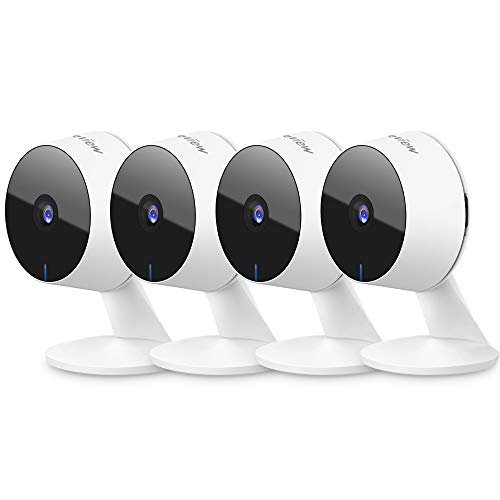
LaView Security Cameras 4pcs, Home Security Camera Indoor 1080P, Wi-Fi Cameras Wired for Pet, Motion Detection, Two-Way Audio, Night Vision, Phone App, Works with Alexa, iOS & Android & Web Access
- Live Streaming Access: 24/7 live streams via app or web
- Multiple Live Feeds: Supports up to 9 simultaneous views
- 1080P HD Video: Clear 2.1MP footage for detailed monitoring
As an affiliate, we earn on qualifying purchases.
As an affiliate, we earn on qualifying purchases.
Conclusion
By setting boundaries, you protect your time, preserve your energy, and prioritize your well-being. You create space for rest, foster focus, and cultivate balance. You say no when needed, stand firm when necessary, and honor your limits always. In doing so, you reclaim control, reduce burnout, and nurture your happiness. Remember, boundaries aren’t barriers—they’re bridges to a healthier, more fulfilling life. Embrace them, enforce them, and watch your work and life thrive in harmony.
As an affiliate, we earn on qualifying purchases.

Marsail Ergonomic Office Chair: Office Desk Chair with High Back Mesh and Adjustable Lumbar Support Rolling Work Swivel Task Chairs with Wheel 3D Armrests and Headrest
- Fully Adjustable Headrest: 2D adjustable for personalized support
- Reclining Backrest: Adjusts from 90° to 120°
- 3D Adjustable Armrests: Customize for comfort and posture
As an affiliate, we earn on qualifying purchases.
As an affiliate, we earn on qualifying purchases.